
Greek Name Days: What They Are and Why They Matter in Greece
This post may contain affiliate links, that means if you use the links to purchase something I get a commission at no extra cost to you. Click here for more information about this.
Greek name days are a long-standing tradition tied closely to religion, culture, and everyday life in Greece.
If you spend any time living in or visiting Greece, you’ll quickly notice that name days are often celebrated just as much—if not more—than birthdays.
At their core, Greek name days celebrate people who are named after saints of the Orthodox Church. Each saint has a specific feast day, and everyone who shares that name celebrates on the same date.
What Are Greek Name Days?
Greek name days honor the saint a person is named after. Most traditional Greek names come directly from saints, martyrs, or religious figures, and the celebration takes place on that saint’s feast day.
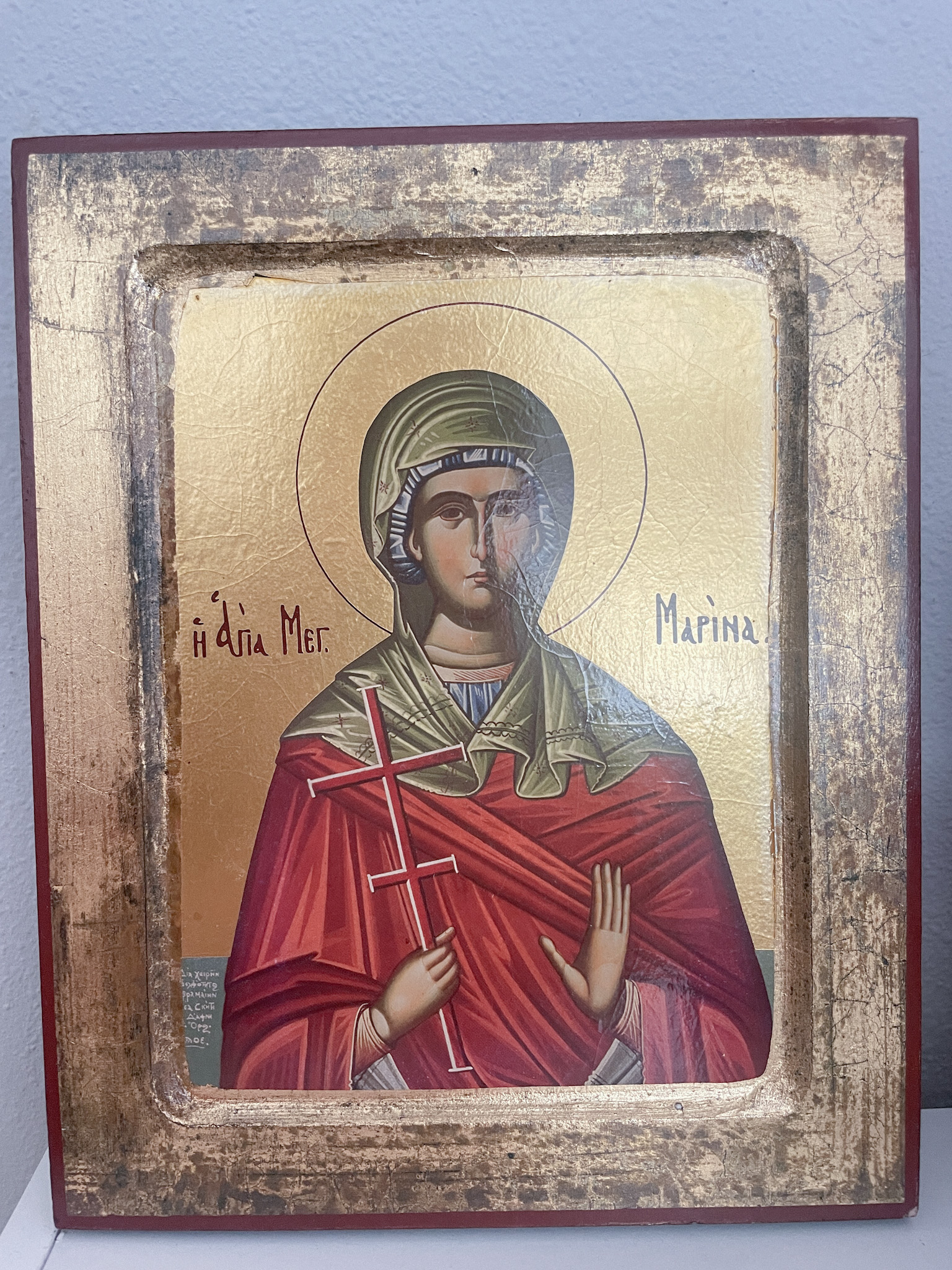
For example, I am named after Saint Marina, a martyr who was killed for her faith and, according to tradition, converted others even after her death. Every year on July 17th, Saint Marina Day is celebrated—and so is my name day, along with every other Marina.
In Greece, name days are often treated like birthdays, but in many cases, they’re actually celebrated more heavily than birthdays.
Are Name Days More Important Than Birthdays in Greece?
In many Greek households, the answer is yes.
Birthdays are personal and private, while name days are social. Friends, family members, coworkers, and even distant acquaintances may call or message someone to wish them well. There’s no expectation of planning a party—people simply show up, stop by, or suggest going out.
Because so many people share the same name day, it becomes a collective experience rather than an individual milestone.
Grab your FREE
✨Ultimate Greece Travel Starter Guide!!!✨
Skip the overwhelm — I pulled together the must-knows so you don’t have to dig through a million sites.

How Greeks Choose Names (and Saints)
When parents are naming their children in Greece, they often consider which saint they want their child named after. Sometimes the name is an exact match, and other times it’s adapted from a longer or more traditional saint’s name.
For example, there is no Saint Mia. However, there is Saint Efimia, so a girl named Mia may be connected to Saint Efimia and celebrate her feast day instead. This becomes the child’s “Greek name,” even if their everyday name is more modern or shortened.
Baptism and Greek Name Days
A person’s Greek name is also used during baptism in the Orthodox Church, whether they are baptized as a child or later in life as an adult. This religious name is the one officially tied to the saint and determines when their name day is celebrated.
Because of this, name days are closely linked not just to culture, but to faith and tradition as well.
How Greek Name Days Are Celebrated
Celebrations can be simple or social, depending on the person, but a few traditions are especially common:
- Phone calls and messages throughout the day
- Friends stopping by without formal invitations
- Coffee, sweets, or pastries brought to work
- Drinks or dinner with friends in the evening
One of the most unique traditions is that the person whose name day it is often pays the bill when everyone goes out. Instead of being treated, they are the host—another example of how name days are about generosity and community.
Grab your FREE
✨Ultimate Greece Travel Starter Guide!!!✨
Skip the overwhelm — I pulled together the must-knows so you don’t have to dig through a million sites.

What If Your Name Has More Than One Saint?
Some very common Greek names—like John (Giannis)—have multiple saints associated with them. In these cases, each person decides which saint’s feast day they celebrate.
It’s usually based on family tradition, baptism, or personal preference, and it’s completely normal for two people with the same name to celebrate on different dates.
What Do You Say on a Greek Name Day?
When it’s someone’s name day, you tell them:
Χρόνια Πολλά (Chronia Polla)
This translates to “many years.”
It’s a general celebratory phrase used not only for name days, but also for birthdays, weddings, holidays, and other happy occasions. In Greece, you’ll hear it everywhere.
Why Greek Name Days Are Still So Important
Greek name days reflect something deeply rooted in Greek culture: community over individuality, tradition over trends, and celebration without formality.
They’re not about gifts, age, or milestones. They’re about showing up, staying connected, and remembering the shared history behind a name.
If you’re living in Greece—or even just spending time there—understanding Greek name days will help you understand Greek life itself.