
A Day in the Life of a Sixth Grader in Greece
This post may contain affiliate links, that means if you use the links to purchase something I get a commission at no extra cost to you. Click here for more information about this.
I want to give you an insight into what it’s really like to go to school in Greece as a sixth grader—not the postcard version, but the everyday rhythm of mornings, classrooms, lunch traditions, and homework struggles.
Morning Routine Before School
Most school days started around 7:00 a.m. I’d wake up still half-asleep and have toast for breakfast while mentally preparing myself for the day ahead.
On especially cold winter mornings, my mom had a genius trick: she’d place our clothes on the heater so they’d be warm when it was time to get dressed. Honestly, it worked every time—nothing motivates you to leave a warm bed faster than warm clothes waiting for you.
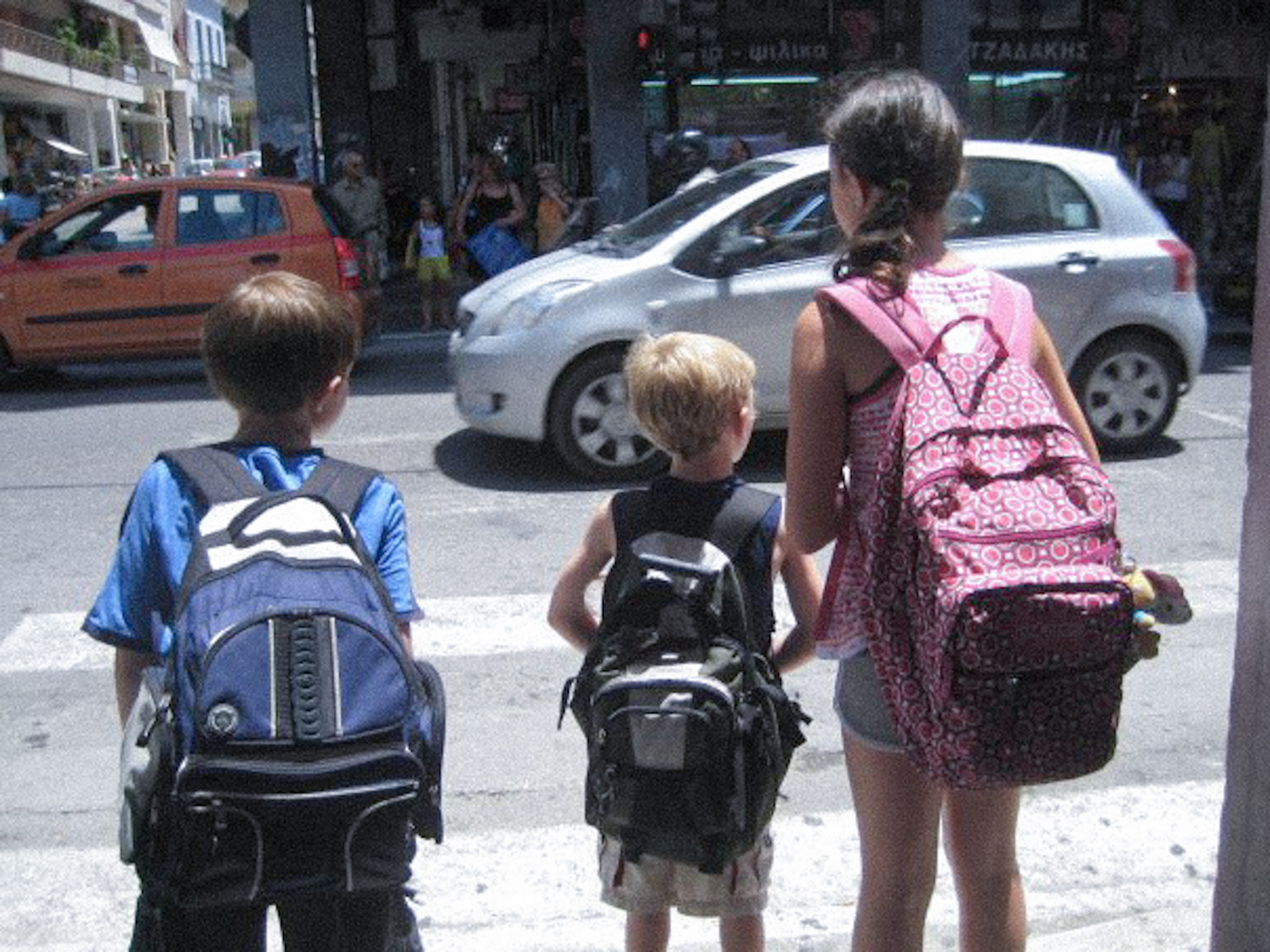
Once we were ready, we’d make the under-half-mile walk to school, bundled up and still waking up, arriving just in time for the 8:00 a.m. start.
How the Greek School Day Works
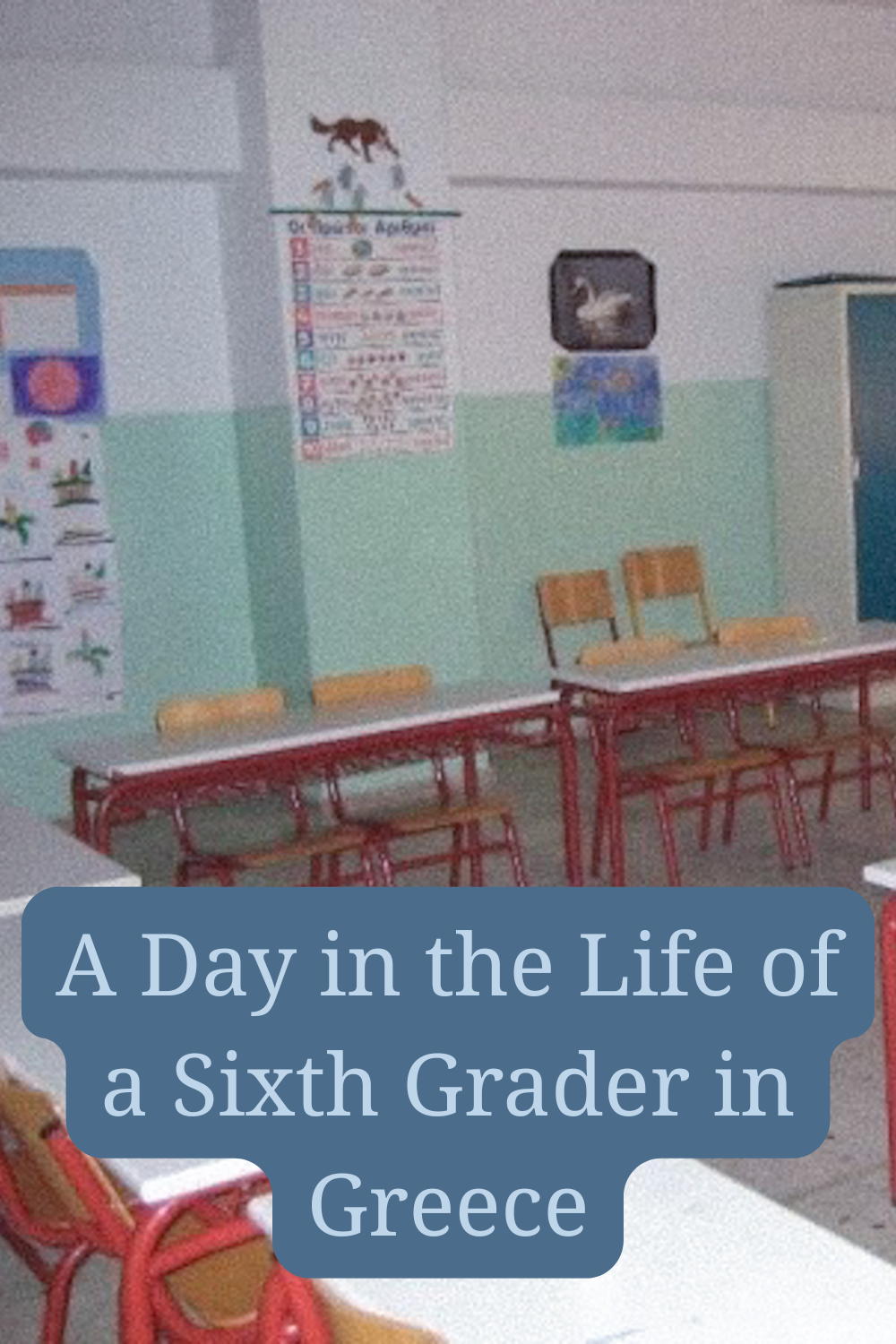
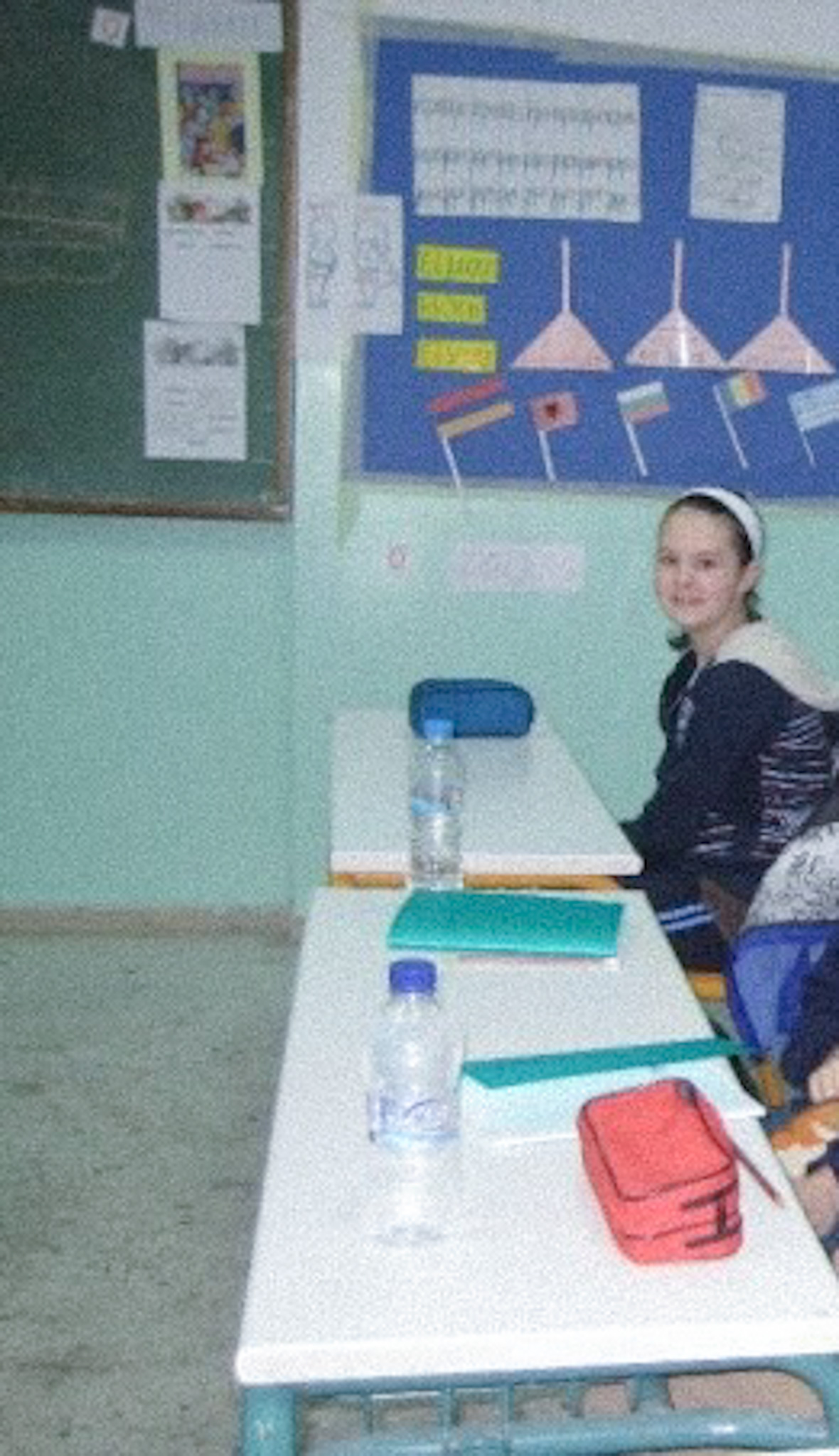
Sixth grade in Greece works a little differently than what many people are used to. Instead of switching classrooms, we stayed in the same room all day, and the teachers rotated in and out depending on the subject.
We had one main teacher who taught most of our core subjects:
- History
- Physics
- Literature
- Math
For specialized subjects, different teachers would come in:
- French
- English
- Physical Education
- Religion (which was actually taught by the school principal)
It felt structured but also comforting—our classroom became our little world for the entire day.
Learning Greek as a Student
One of the more unique parts of my school experience was attending Greek language learning class. At certain times during the day, I’d leave my regular classroom and go to a separate room with other students who were also learning Greek.
I usually missed subjects that were harder for me to follow—Physics especially—and attended Greek language lessons instead. Later, I’d borrow my friend’s workbook and copy down everything I missed so I could keep up.
It was a lot, but it was the only way to balance learning the language while staying on track academically. Plus, I got really good at writing in Greek.
Grab your FREE
✨Ultimate Greece Travel Starter Guide!!!✨
Skip the overwhelm — I pulled together the must-knows so you don’t have to dig through a million sites.
Recess and Snack Time
There was a school-wide recess period where everyone went outside. There wasn’t a playground—just an open concrete space with an old basketball court off to the side.
The girls in my class usually walked around and chatted or sometimes played volleyball. The boys almost always played soccer on the basketball court (I guess basketball wasn’t very popular, or maybe more kids just wanted to play soccer).
I sometimes played with the boys, but they weren’t very nice or welcoming, so I eventually stuck to hanging out with my friends. I was pretty shy at the time, though I think if I’d been a little older, I would’ve stuck it out and kept playing.
If you wanted, you could also grab a snack from the school snack bar—a toast sandwich, a bag of chips or crackers, a donut, or a drink like soda, juice, or water.
Why School Ends Early in Greece
School ended no later than 2:00 p.m., and there’s a very intentional reason for that.
In Greece, lunch is the biggest meal of the day, and it’s traditional for families to go home and eat together.
Even adults often leave work, go home for lunch, and then return later in the afternoon or evening. It’s a built-in pause that prioritizes food, family, and rest.
Growing Independence
Sometimes my classes ended later than my brothers’, so they’d go with my mom to a nearby park to wait for me to finish. As the school year went on, though, I became confident enough to walk home on my own.
Eventually, I was given a key to the apartment—a moment that felt monumental. I remember feeling so grown-up, like this was the official start of my independent era.
Afternoon Quiet Time
After lunch, the entire country seems to enter a collective rest period. Shops close, streets quiet down, and everything slows until the evening.
It’s not officially called nap time, but that’s basically what it is.
The city rests—and so do the people.
Grab your FREE
✨Ultimate Greece Travel Starter Guide!!!✨
Skip the overwhelm — I pulled together the must-knows so you don’t have to dig through a million sites.
Homework (a.k.a. Learning Everything Twice)
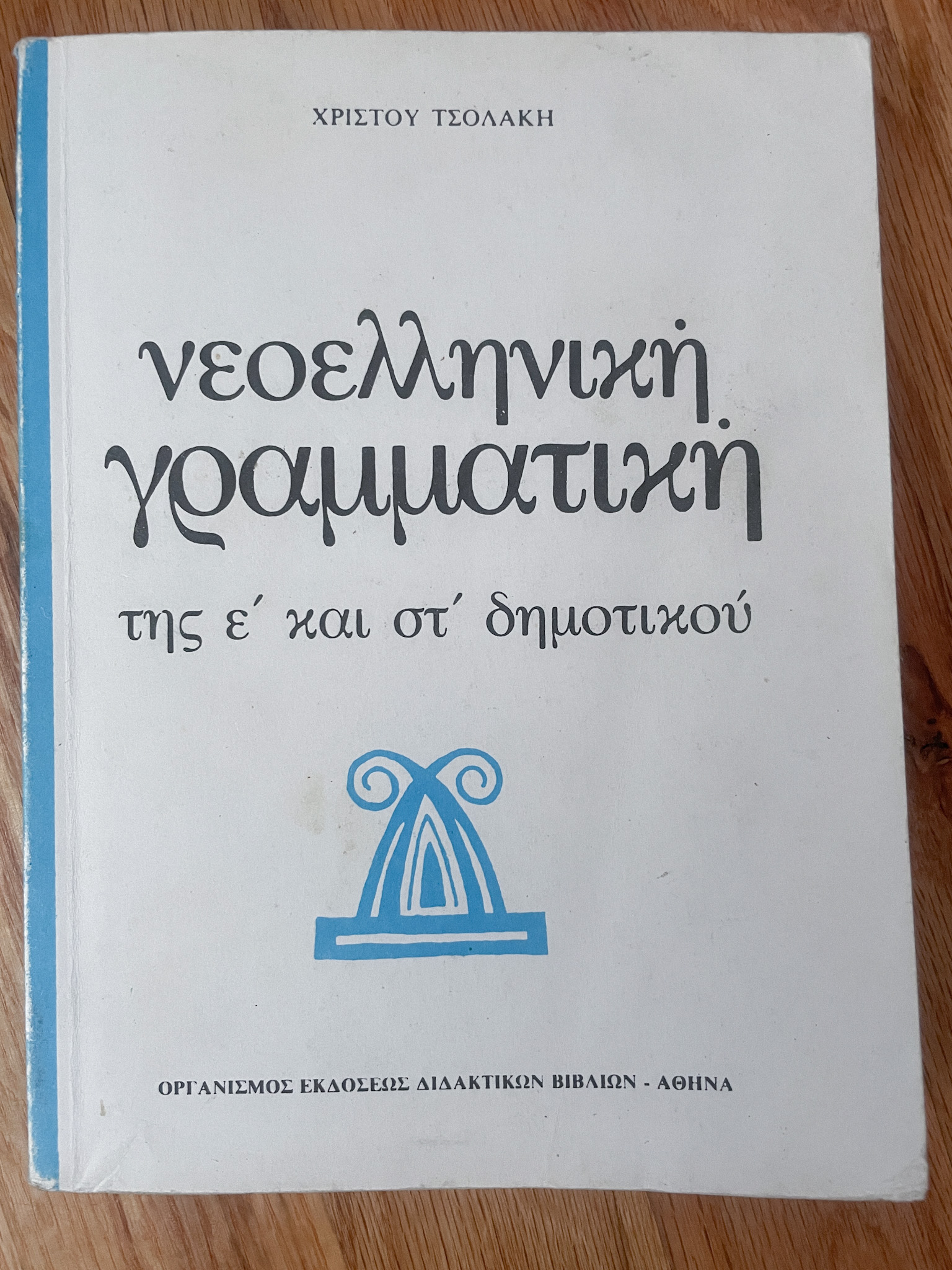
Once the quiet set in, it was time for homework. This was probably the most challenging part of my day because I was essentially learning everything twice.
First, I had to translate the instructions and information from Greek into English using an old-school dictionary—mind you, I didn’t have Google Translate at the time.
Then, I had to actually solve the problem or answer the question.
I mostly focused on:
- Math homework
- English homework (which I did backwards, translating English into Greek)
- Greek language homework
Looking Back
That first experience of living in Greece was my first true introduction to Greek culture and everyday life. I loved it so much that I kept returning again and again.
I’ve lived there four times so far, and I have no intention of the last time being the last time.
What do you think about life in Greece? Would you ever consider living in Greece for a chapter of your life?