
7 Rules for Visiting Ancient Sites in Greece (Plus Tips for First-Time Visitors)

This post may contain affiliate links, that means if you use the links to purchase something I get a commission at no extra cost to you. Click here for more information about this.

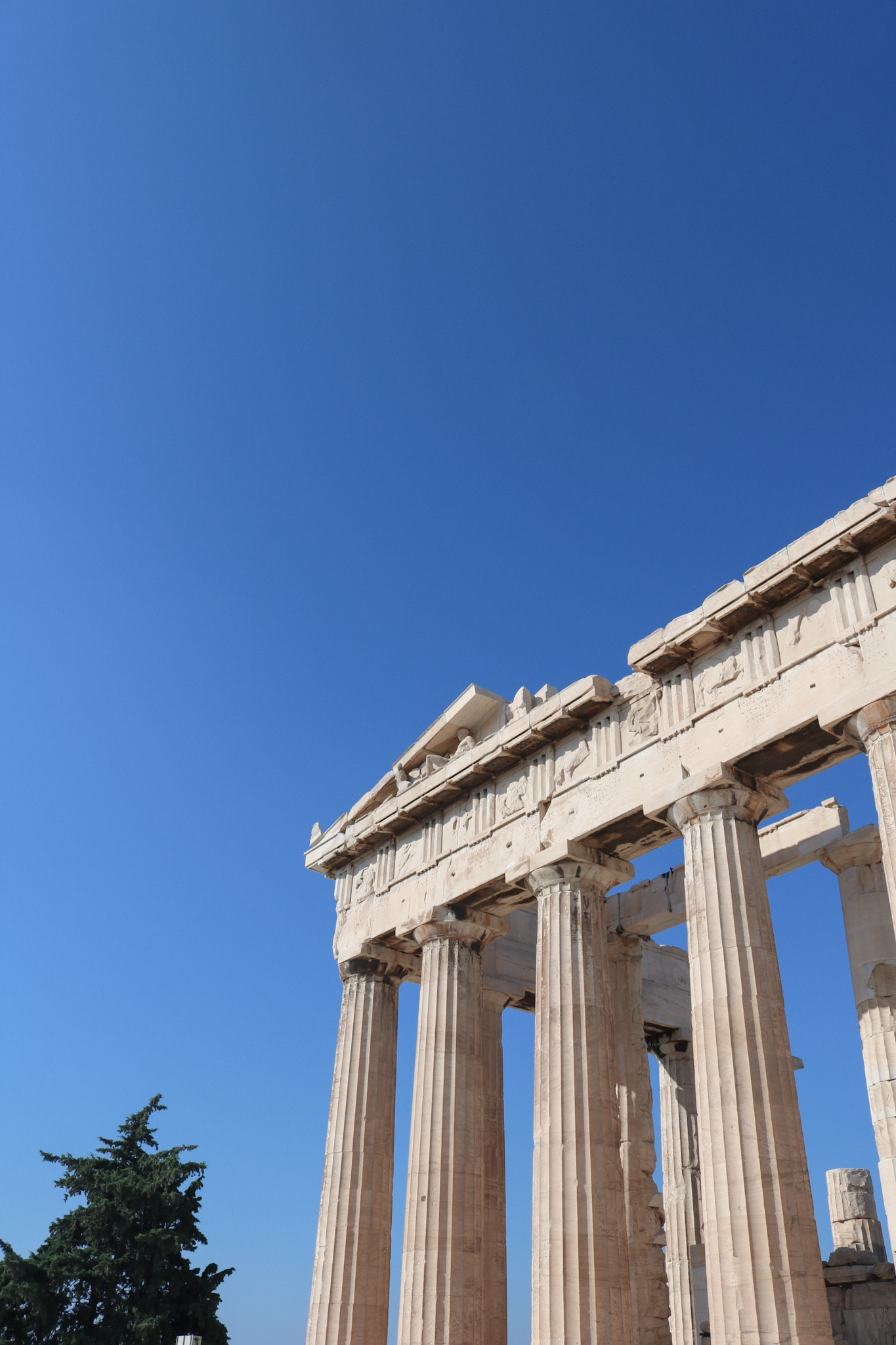
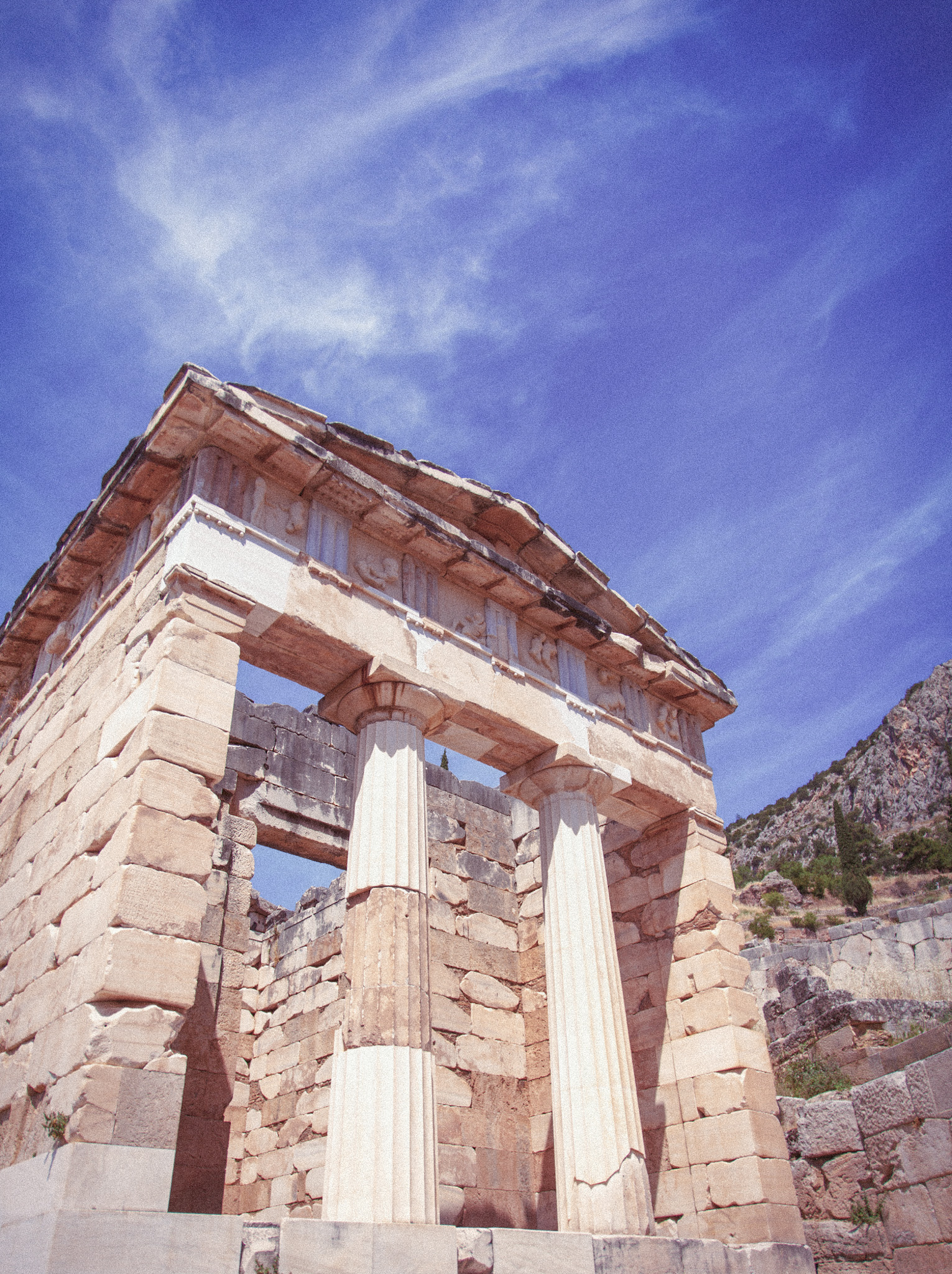
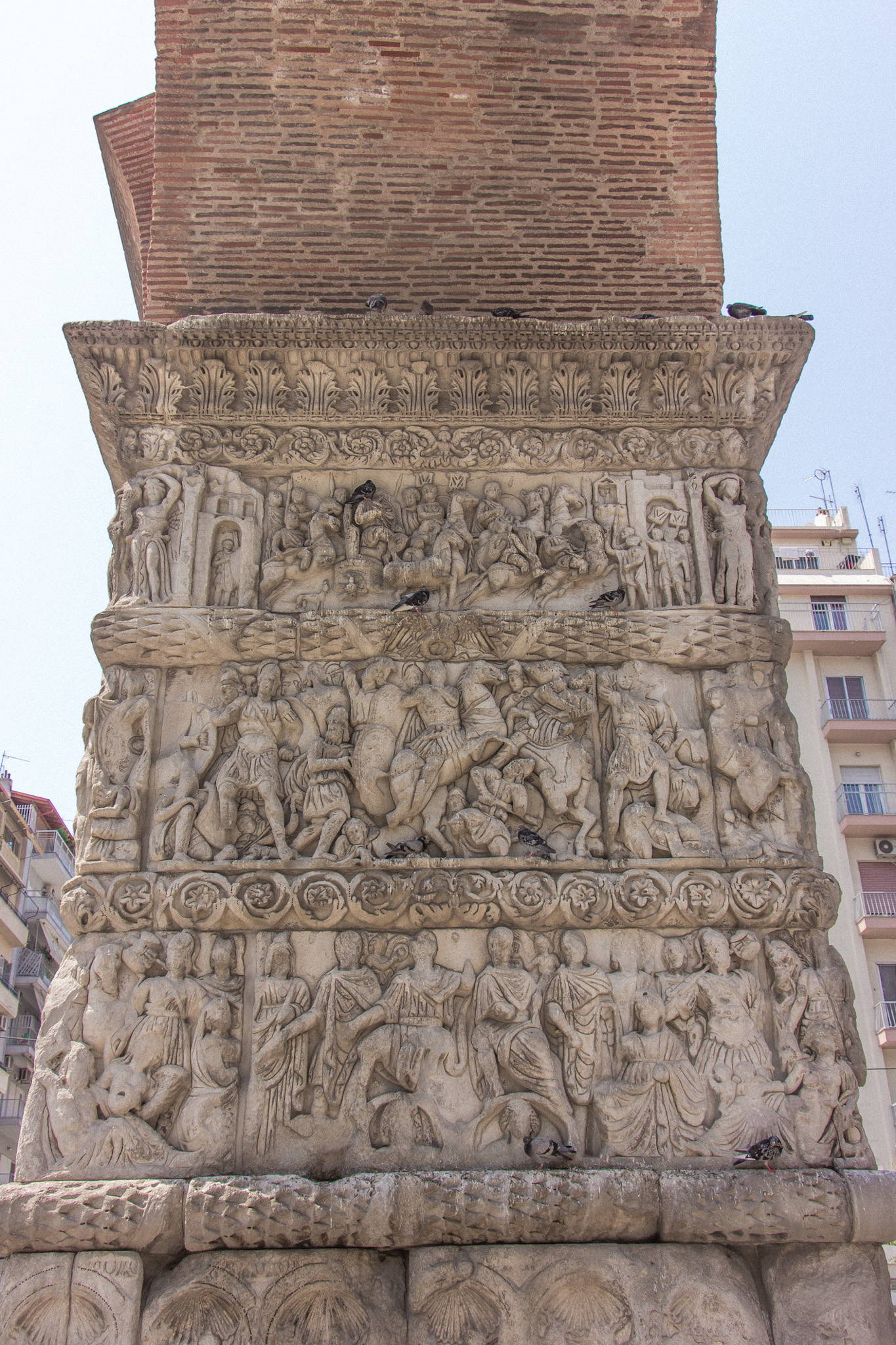
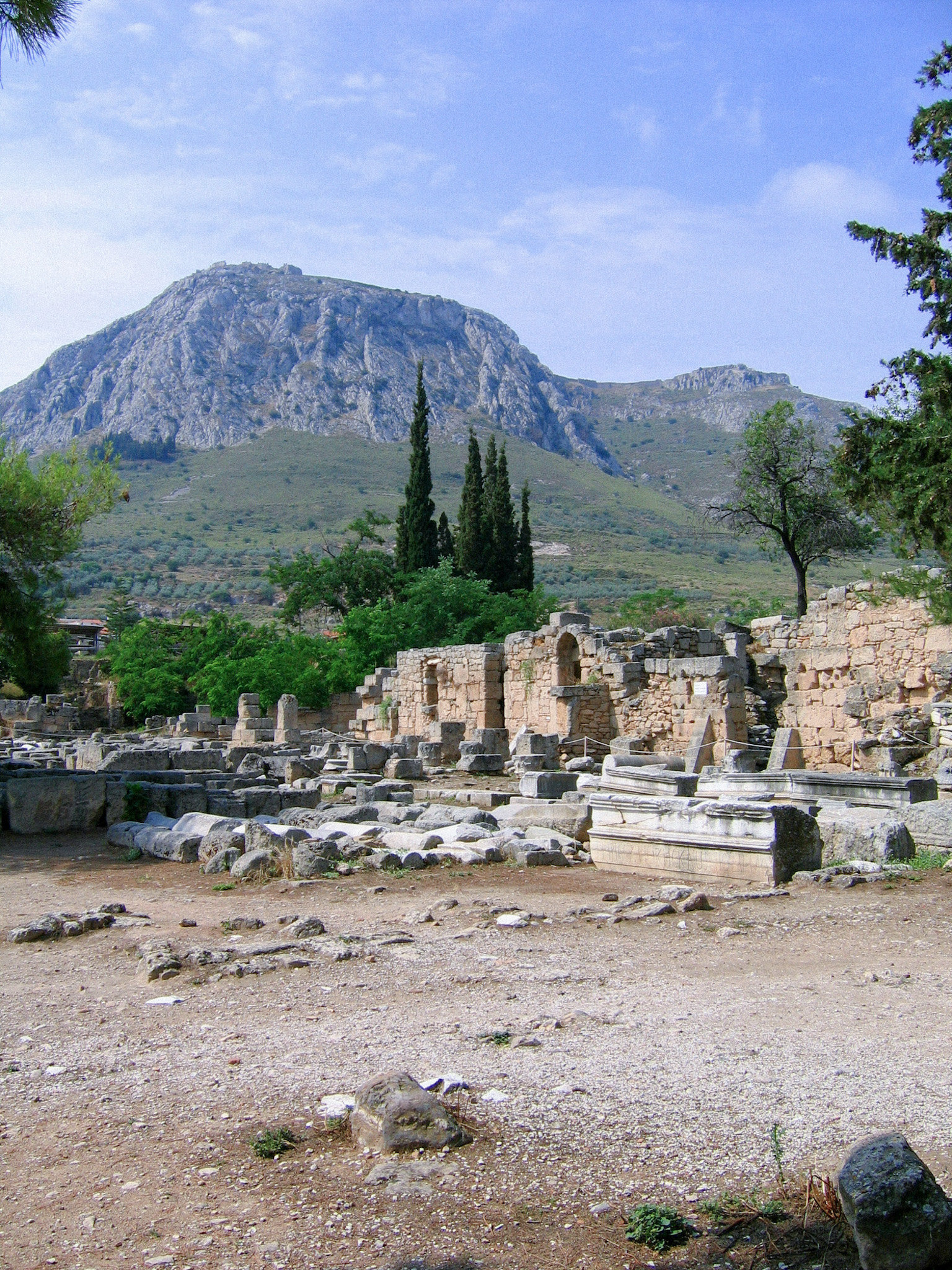
It is pretty incredible that you can walk where the Ancient Greeks once built some of the most recognizable structures in the world. 

From the Parthenon towering over Athens to the stadium at Ancient Olympia, these sites are scattered all across Greece and are in remarkably good condition considering many of them are over 2,000 years old.

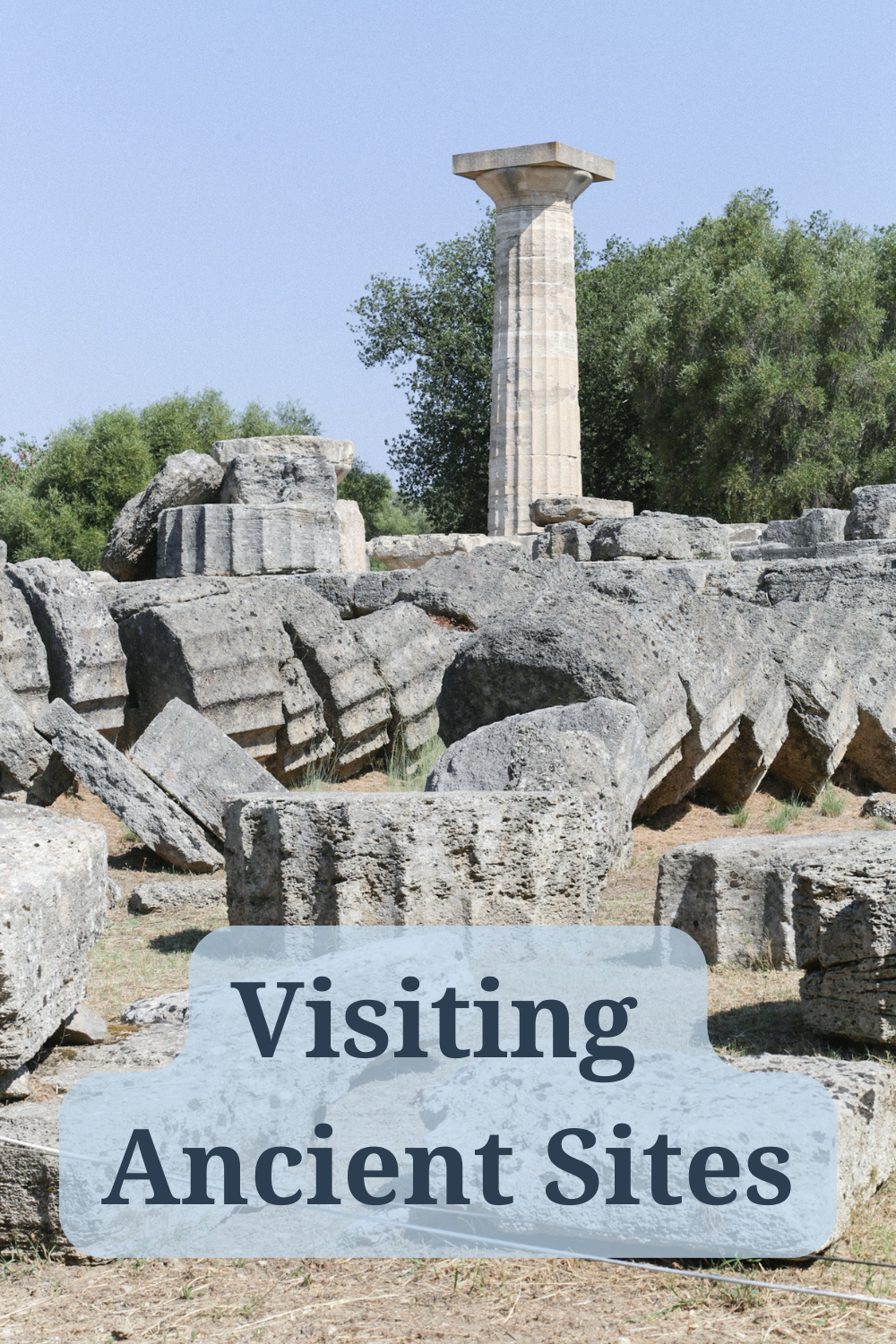
My favorite ancient site in all of Greece is Ancient Olympia because you can literally run in the footsteps of the first Olympic athletes. Standing on that track makes history feel real in a way that reading about it never could.

That said…please don’t run around at pretty much any other ancient site.

These places have survived wars, earthquakes, and thousands of years of weather. The least we can do is follow a few simple rules so they’ll still be here for generations to come.

Visiting Ancient Sites

1. Wear the Right Shoes (Trust Me on This One)

The number of times I’ve slipped on ancient marble is honestly kind of ridiculous.

Over thousands of years, the marble has been worn smooth by weather and millions of visitors. Add a little dust or moisture, and it can feel like you’re walking on an ice rink.

I almost always wear running shoes because they have good grip and support. If your feet get too hot in sneakers, I’d recommend investing in a pair of supportive sandals with a grippy sole.

I have tried wearing flip-flops before, and I don’t recommend it. They were uncomfortable, I felt unstable the whole time, and I was sliding every few steps. 

Visiting ancient sites involves a lot more walking than most people expect, so dress for the site, not just the photos.

2. Stay on the Designated Paths

It can be tempting to step just a little off the path to get the perfect photo, but that’s one of the biggest mistakes you can make.

Not only is it disrespectful to the site, it can also be dangerous. 

Loose rocks, uneven ground, crumbling structures, steep drops, and unstable terrain aren’t always obvious until you’re standing on them.

The designated paths exist for two reasons: to keep visitors safe and to protect the archaeological site itself.

Something that has survived thousands of years shouldn’t be damaged because someone wanted a slightly different camera angle.

3. Don't Touch What You're Not Supposed to Touch

This rule goes hand in hand with staying on the designated paths.

Even though it might seem harmless, the oils from our hands can slowly damage ancient stone, sculptures, and artifacts over time. There’s also the possibility of accidentally knocking something loose or moving something that has remained in place for centuries.

You don’t need to touch history to appreciate it. Just being close enough to imagine the people who once stood there is pretty amazing on its own.

Visiting Ancient Sites

4. Know the Photography Rules

Photography is usually allowed at outdoor archaeological sites, but museums often have different rules.

I always struggle to remember to turn the flash off on my camera, and I’ve definitely been yelled at in museums for forgetting. It’s embarrassing, and trust me, it’s much easier to double-check your settings before you walk in.

Some museums also don’t allow posed photos with people in them. 

You may be able to photograph the artifacts themselves, but not take portraits inside the galleries.

The artifacts inside museums are often even more fragile than what you see outdoors, so it’s especially important to follow the posted rules.

5. Prepare for the Greek Sun

One thing that surprises a lot of visitors is how little shade there is at many archaeological sites.

Bring plenty of water because there may not be anywhere to buy it once you’re inside. 

Wear sunscreen (preferably one that’s sweat-resistant), sunglasses, a hat, and lightweight, breathable clothing. If you’re especially sensitive to the sun, long sleeves can actually be more comfortable than constantly reapplying sunscreen.

I remember visiting Ancient Olympia one particularly hot day and getting so overheated that I crouched behind a giant boulder just to find a tiny patch of shade.

If you’re visiting during the summer, don’t underestimate how intense the Greek sun can be.

6. Go Early (or Right Before Closing)

If you can, plan your visit for first thing in the morning or later in the afternoon during the last entry of the day.

You’ll usually get cooler temperatures, smaller crowds, and much better lighting for photos. 

More importantly, you’ll have a much more peaceful experience without constantly weaving through tour groups.

Before you go, check the site’s opening hours. 

They can change depending on the season, holidays, or special events, so it’s worth confirming before you arrive.

Greece Travel Guide

Grab your FREE
✨Ultimate Greece Travel Starter Guide!!!✨

🌍 Skip the overwhelm — I pulled together the must-knows so you don’t have to dig through a million sites.

7. Consider Multi-Site Passes and Combo Tickets

If you’re planning on visiting several archaeological sites in the same city, look into combination tickets before buying admission separately.

Athens, in particular, offers ticket options that include multiple major archaeological sites, and some destinations also offer site-and-museum combination tickets.

Not only can these save you money, but they also make planning your sightseeing much easier.

A Few More Helpful Tips

A few other things I’ve learned over the years visiting ancient sites:

  • Check accessibility information ahead of time. Some sites have ramps or accessible routes, while others involve uneven terrain, stairs, and steep hills.
  • Leave the drone at home unless you’ve confirmed it’s allowed. Many archaeological sites have strict drone restrictions, and you may need special permission to fly.
  • Bring more water than you think you’ll need, especially in summer.
  • Wear clothes that are comfortable for walking and climbing, not just for photos. You’ll enjoy your visit so much more.

Final Thoughts: Visit With Curiosity and Respect

Ancient sites aren’t just another stop on your Greece itinerary.

They’re places where people lived, worshipped, competed, celebrated, and built things that have somehow lasted for thousands of years. Every visitor has a small part to play in protecting them. 

Following a few simple rules not only helps preserve Greece’s history, but it also makes your own experience safer, easier, and far more enjoyable.

Hopefully, hundreds or even thousands of years from now, someone else will get to stand in those same places and feel the exact same sense of wonder that we do today.

Leave a Reply

Your email address will not be published. Required fields are marked *

Marina Catherine

I first came to Greece as a baby, and I’ve been in love with it ever since. Now a Greek citizen, I’ve lived here several times, speak the language, and embrace the culture—from the food to traditional dance. Through this blog, I share the beauty, stories, and everyday life of my favorite place on earth.