Why Olympia Should Be on Your Greece Itinerary

This post may contain affiliate links, that means if you use the links to purchase something I get a commission at no extra cost to you. Click here for more information about this.

Greece has a lot of ancient ruins. And when I say a lot, I mean they are quite literally everywhere.

When a building was knocked down in the middle of my aunt’s neighborhood, they started digging to lay the foundation for the new building and instead uncovered ancient ruins. They had to build the building somewhere else.

The point is, ancient ruins are everywhere in Greece. Which is amazing, obviously, but it can also make it difficult to decide which ones are actually worth going out of your way to visit.

However, of all of the ancient sites I have visited in Greece, there is one clear winner for me: Ancient Olympia, the birthplace of the Olympic Games.

Olympia feels different because its history is still so present in modern life. Even people who aren’t particularly interested in ancient history probably know about the Olympic Games, which makes visiting the place where they began feel especially surreal.

Olympia isn’t just somewhere to visit because there are ancient ruins there. It is where one of the world’s most recognizable sporting traditions began.

And if you’re a sports fan, Olympia should be especially high on your Greece bucket list. Where else do you get to literally walk in the footsteps of the very first Olympic athletes?

Why Olympia Should Be on Your Greece Itinerary

What Is Olympia?

Olympia wasn’t really a town. Originally, it was a major religious sanctuary dedicated to the Greek god Zeus.

Later, the site became known as the location of the ancient Olympic Games. The Games were traditionally held every four years, beginning in 776 BC.

In the beginning, Greek athletes and spectators traveled to Olympia to participate in and watch this athletic competition. The Games continued for more than a thousand years before eventually ending in the late fourth century AD.

I was very young when I first visited Olympia—around seven years old, I believe. I’m not sure it really clicked for me then just how important this place was to the history of the Olympics, but I fell in love with it instantly.

And honestly, I think that says something about Olympia.

You don’t necessarily need to understand every piece of history before visiting to appreciate it. But once you start to understand what happened here, the entire site becomes even more fascinating.

The Ancient Olympic Games Were About More Than Sports

The ancient Olympic Games weren’t simply an athletic competition. They were held in honor of Zeus and were an important religious and cultural event in the ancient Greek world.

Athletes competed for glory rather than the medals and sponsorships that athletes can win today. Victors were awarded an olive wreath, along with the recognition that came with winning one of the most important athletic competitions of the ancient world.

The Games were also a chance for people from across the Greek world to gather in one place.

And considering how difficult travel was thousands of years ago, the fact that athletes and spectators made the journey to Olympia every four years says a lot about just how important these Games were.

The Olympic Truce

One of the most interesting traditions surrounding the ancient Olympic Games was the Olympic Truce.

The truce was intended to allow athletes, spectators, and others traveling to Olympia to make the journey safely. It provided protection for those traveling to and from the Games and showed just how seriously the ancient Greek world took the event.

Today, the Olympic Truce still exists symbolically, although it unfortunately does not prevent conflicts or automatically bar countries involved in conflict from participating in the modern Olympic Games.

Why Sports Fans Should Especially Visit Olympia

If you love sports, visiting Olympia offers something completely different from visiting a famous stadium or sports museum.

This is essentially one of the most important places in the history of organized athletic competition.

There are plenty of places around the world where you can visit a stadium and learn about sports history. But Olympia is different.

This is where it began.

Greece Travel Guide

Grab your FREE
✨Ultimate Greece Travel Starter Guide!!!✨

🌍 Skip the overwhelm — I pulled together the must-knows so you don’t have to dig through a million sites.
Walk Through the Ancient Stadium

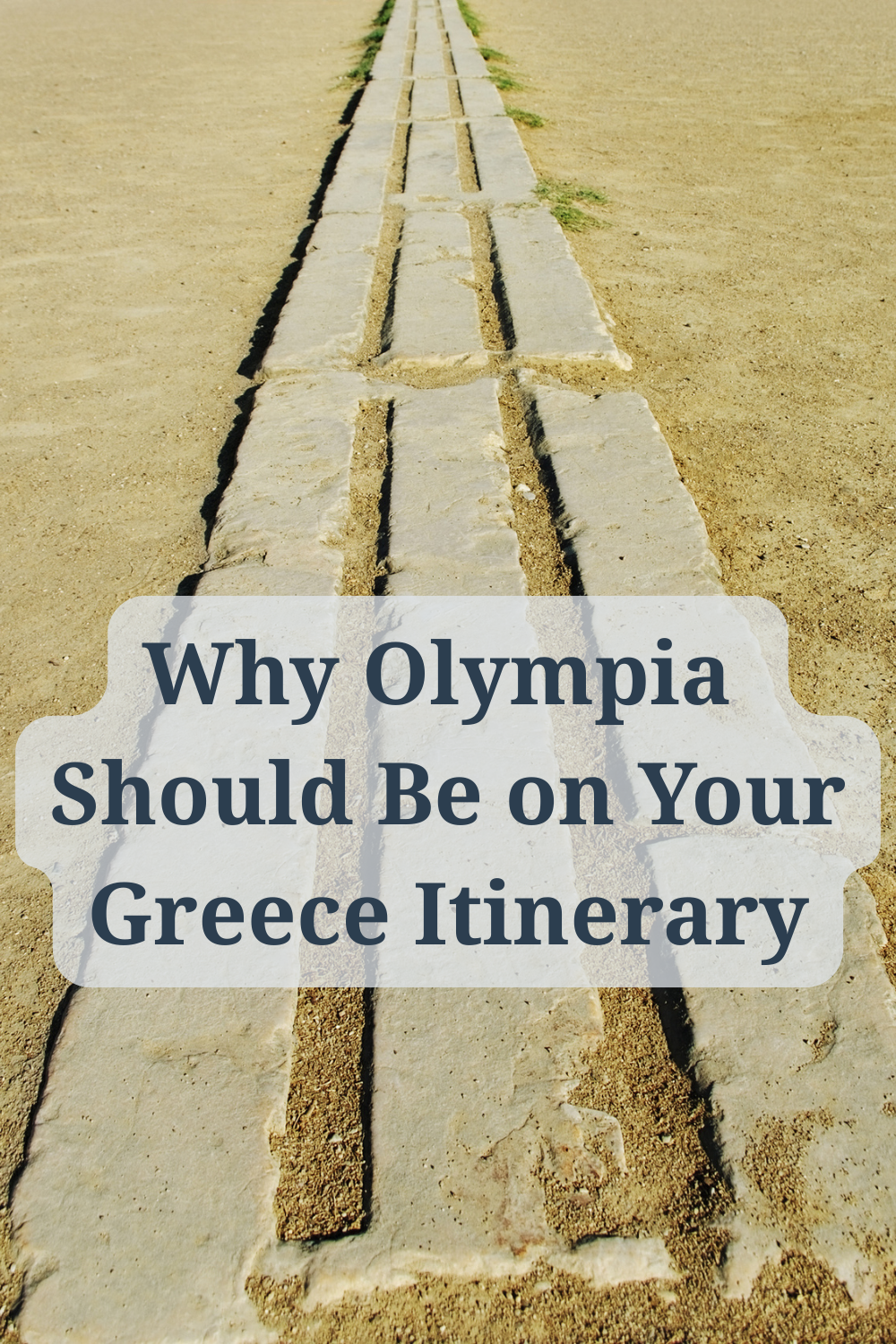
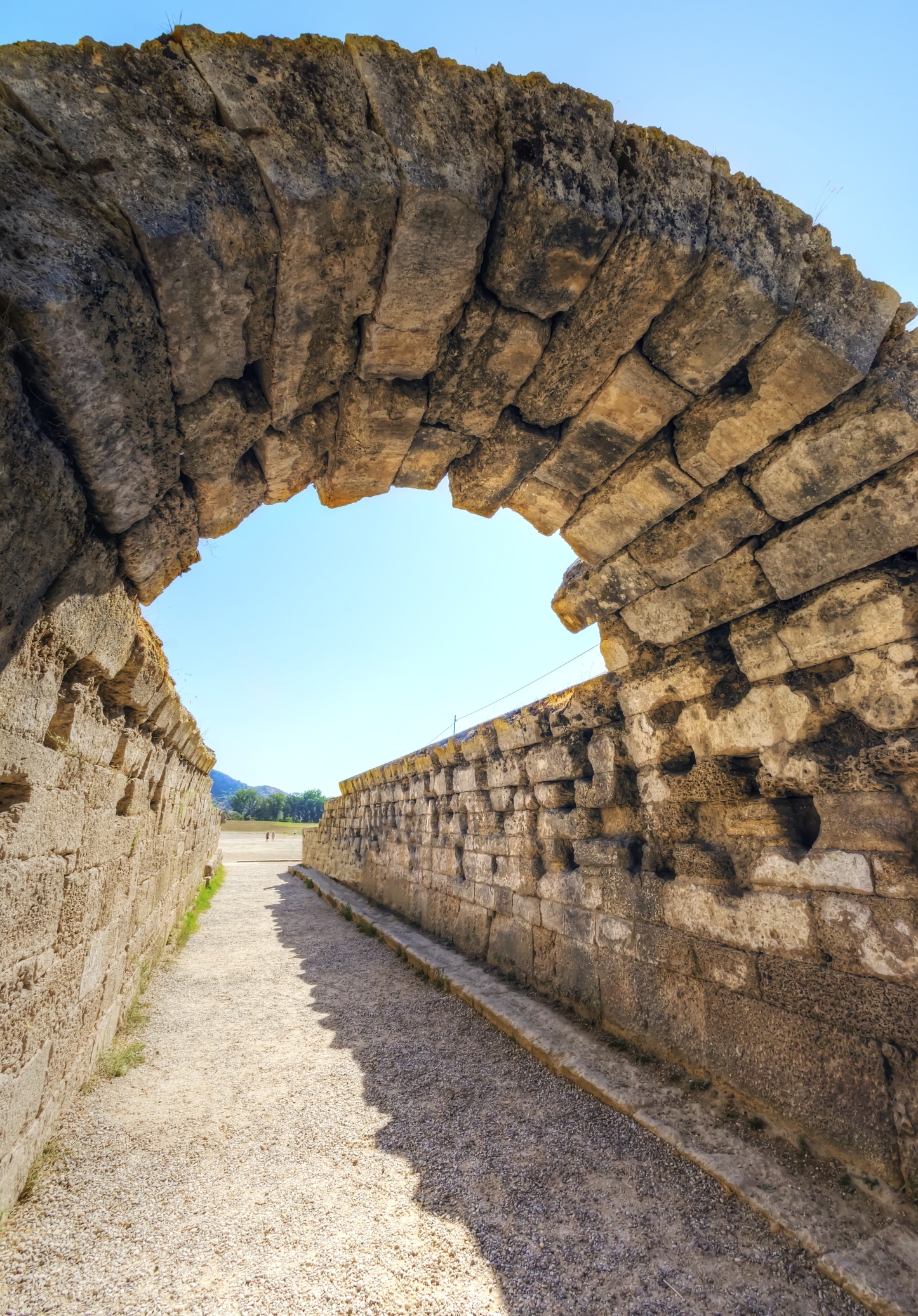
The ancient stadium is easily one of the most memorable parts of visiting Olympia.

Visitors can walk into the stadium through the grand tunnel, just like the ancient athletes did thousands of years ago.

The spectator seating is pretty much gone today, but it is estimated that the stadium could once hold around 45,000 people. Even without the seats, the hills surrounding the track do a pretty good job of helping you visualize what it might have looked like—and what it must have sounded like—during the Games.

You can imagine thousands of people gathered around the stadium, watching athletes compete on the same ground you’re now standing on.

Seeing a half-standing temple is cool, but the stadium is just so much cooler.

There is something about being able to walk through the same entrance and stand in the same space as athletes from thousands of years ago that makes the history feel much more real.

olympia greece

The Connection Between Ancient and Modern Athletes

Sports have changed a lot since the ancient Olympic Games, but they have also hardly changed at all.

Technology has made sports more accessible, and advances in science have made it easier for athletes to train and properly take care of themselves.

But people have always competed.

People have always cheered for athletes.

And people have always cared about doing their best, breaking records, and going for gold—or, in the case of the ancient Games, an olive wreath.

There is something really fascinating about that.

Thousands of years separate the ancient Olympic athletes from the athletes competing today, but the basic human desire to compete and see what we are capable of hasn’t gone anywhere.

Olympia Is Also Home to Some of Greece's Most Important Ancient Ruins

Of course, Olympia is about much more than the stadium.

The site is also home to some of the most important ruins in Ancient Greece.

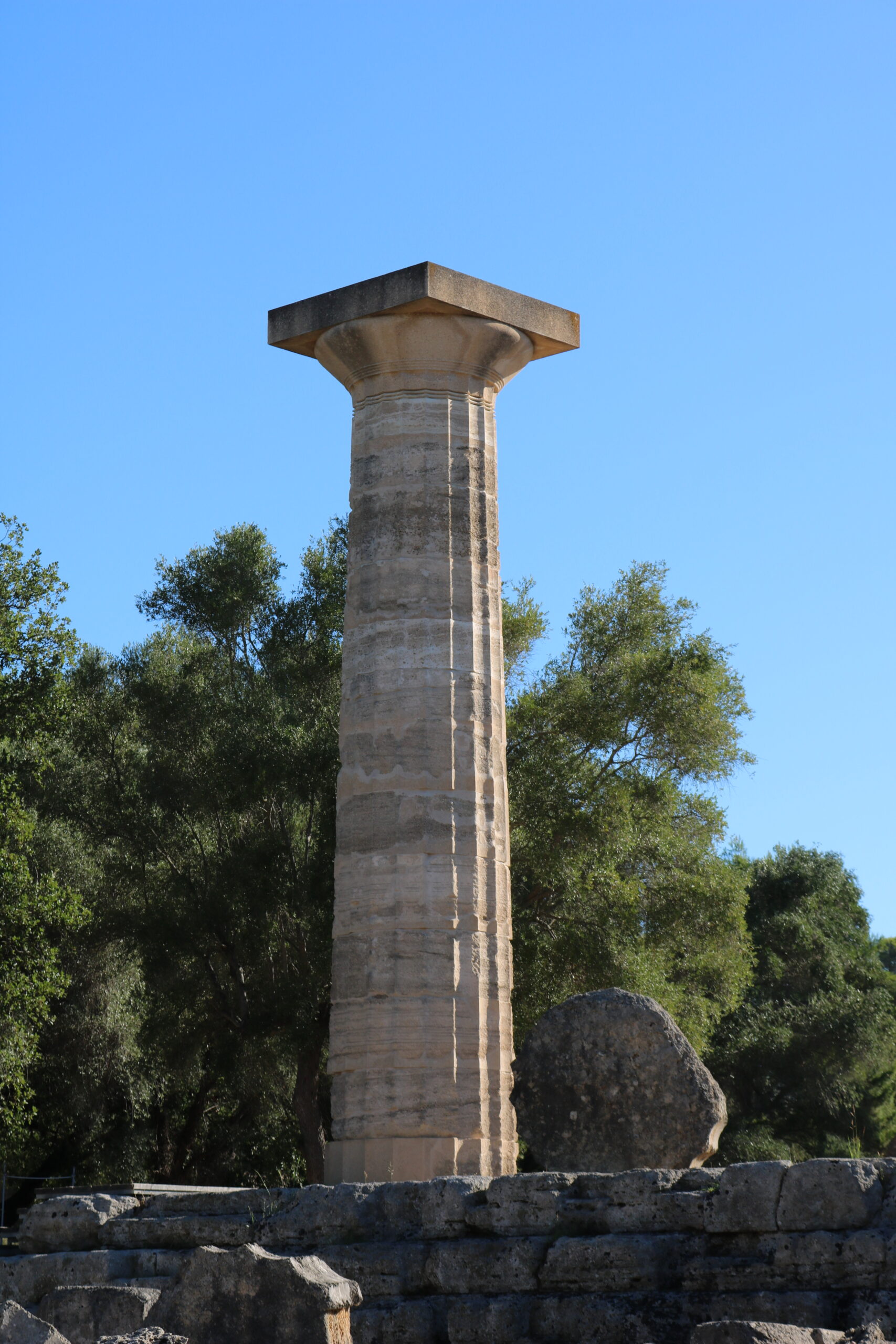
The Temple of Zeus

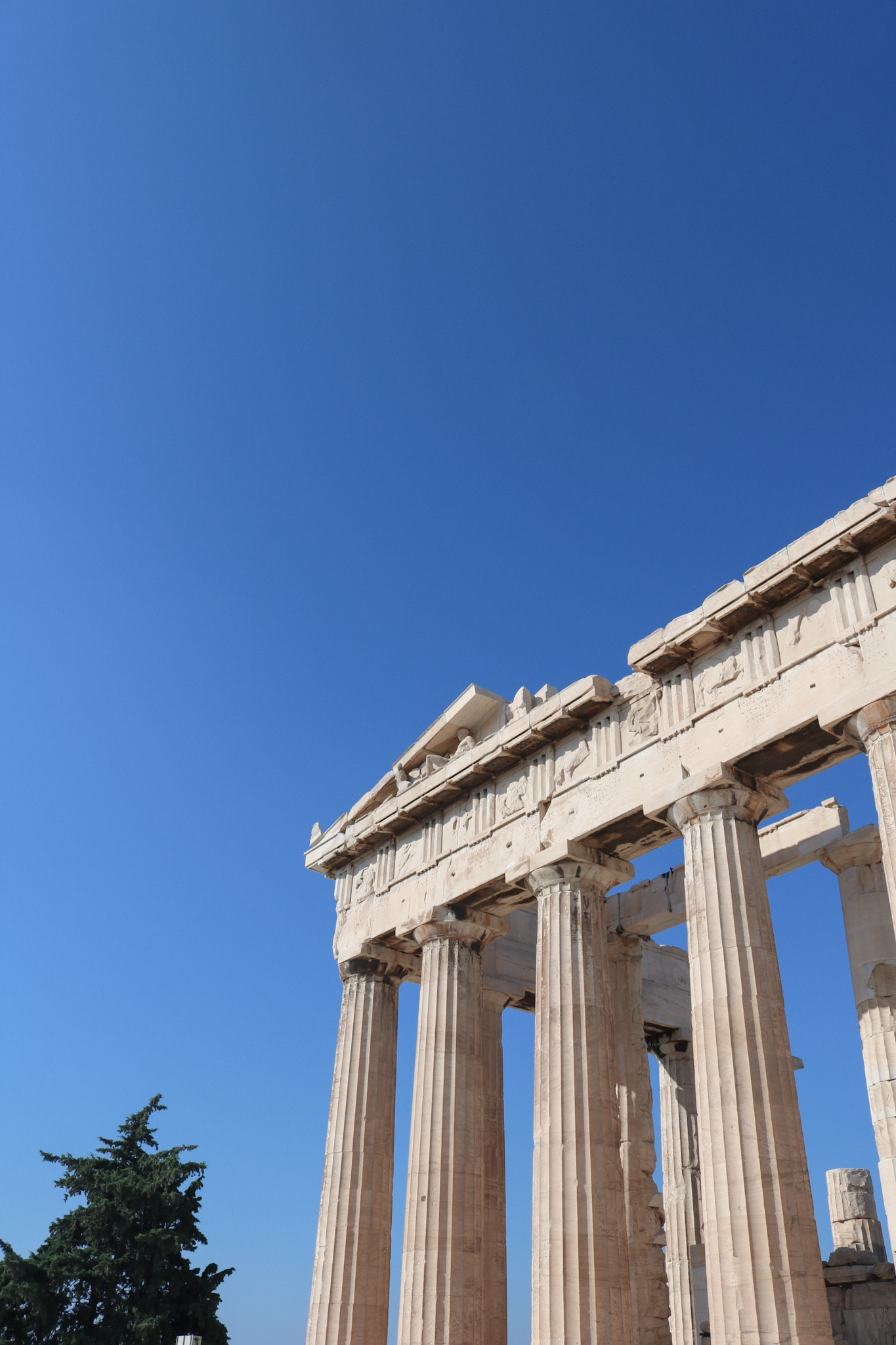
The Temple of Zeus was once home to the famous Statue of Zeus, which was considered one of the Seven Wonders of the Ancient World.

The statue no longer survives, but knowing that it once stood here adds another layer of significance to the site.

The Temple of Hera

The Temple of Hera is also still connected to every modern Olympic Games.

Olympia is the location of the ceremony where the Olympic flame is lit before the Games. The flame is then carried on its journey to the city hosting the Olympics that year.

So while the ruins themselves are thousands of years old, Olympia is still actively involved in one of the world’s biggest sporting events.

olympia greece

More Than Just Temples

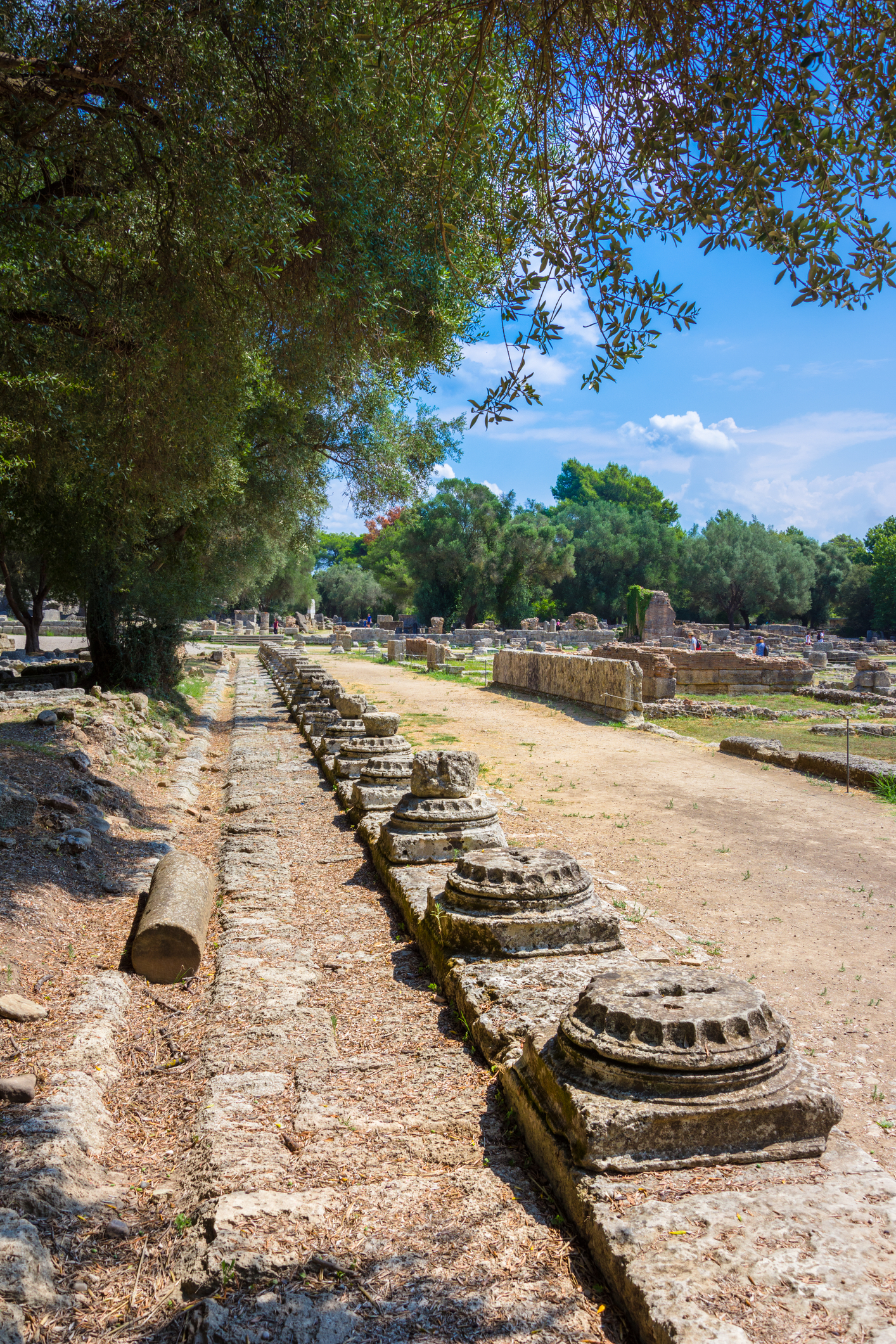
Olympia also has areas where athletes trained and prepared for competition, giving you a better picture of what life around the Games might have looked like.

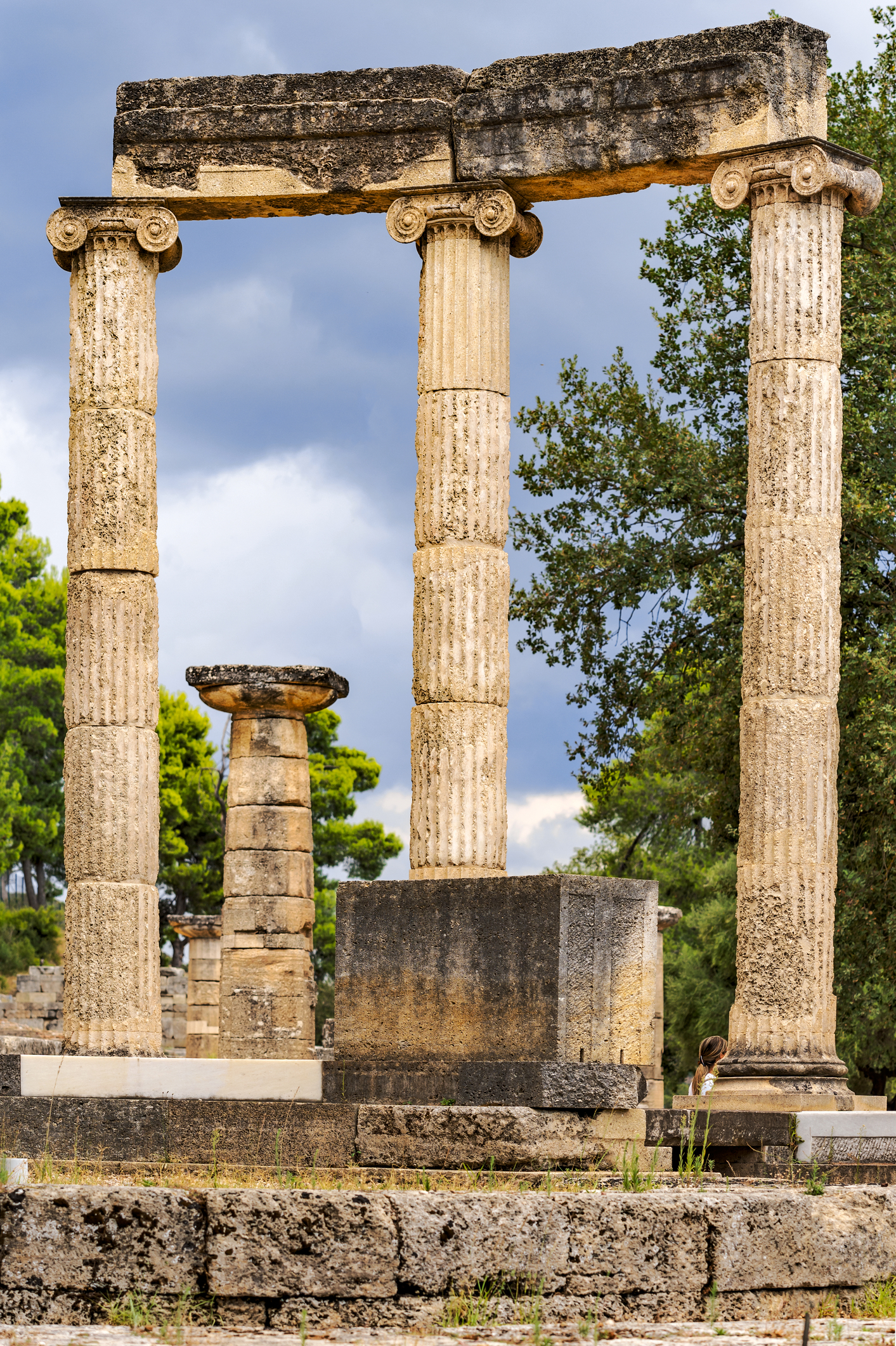
There is also the Philippeion, a circular monument built to honor Philip II of Macedon and his family, as well as the Workshop of Phidias, traditionally associated with the sculptor who created the Statue of Zeus.

And one of my favorite fun facts about Olympia?

Athletes who were caught cheating during the Games could be fined, and statues were created as permanent reminders of their shame.

Imagine getting caught cheating and having to fund your own public humiliation for thousands of years.

Honestly, that feels like a punishment that might still work today.

The Archaeological Museum Makes the Site Even More Meaningful

After visiting the archaeological site, I highly recommend visiting the Archaeological Museum of Olympia.

Not only is it a nice break after spending the morning walking around in the Greek sun, but it also helps fill in the blanks of everything you just saw.

I am not the biggest fan of museums unless they are particularly spectacular, and I would say this museum qualifies.

Seeing the sculptures, artifacts, and pieces recovered from the site helps you better understand what Olympia once looked like and just how significant it was.

The archaeological site is impressive on its own, but visiting the museum afterward makes the experience feel much more complete.

Greece Travel Guide

Grab your FREE
✨Ultimate Greece Travel Starter Guide!!!✨

🌍 Skip the overwhelm — I pulled together the must-knows so you don’t have to dig through a million sites.

Is Olympia Worth Visiting If You Aren't a Sports Fan?

Yes.

You definitely don’t need to be a sports fan to appreciate Olympia.

It is an important archaeological site, a major religious sanctuary from the ancient Greek world, and home to some fascinating history.

However, I do think sports fans have an extra reason to visit.

The only thing to keep in mind is that Olympia can be trickier to visit than some of Greece’s other famous ancient sites, especially if you’re planning a shorter itinerary.

It’s worth considering the logistics before adding it to your trip.

For more help planning your visit, you can read my complete Olympia travel guide here.

My Take: Why I Think Olympia Is Worth Visiting

There are plenty of incredible ancient sites in Greece.

Some temples have been standing—or at least partially standing—for thousands of years. There are ancient theaters, sanctuaries, cities, and ruins that give you a glimpse into what life looked like in Ancient Greece.

But Olympia feels different to me.

It’s not the only ancient site in Greece with a connection to modern life, but it might be the place where that connection feels the most immediate.

Olympia isn’t just the birthplace of an ancient athletic competition that eventually disappeared into history.

It is the birthplace of a tradition that still exists today.

olympia greece

The Olympic Games may look very different now. Athletes come from around the world instead of just the Greek world. The stadiums are much bigger. The athletes are competing for medals rather than olive wreaths.

But thousands of years later, people are still gathering to watch athletes compete.

And before every modern Olympic Games, the Olympic flame is still ceremonially lit right here in Olympia.

That is what makes this place so special to me.

You can walk through the ancient stadium and imagine the athletes who once competed there. Then you can turn on your television during the next Olympic Games and watch athletes from around the world continue a tradition that began in the exact place where you’re standing.

Seeing a half-standing temple is cool.

But standing in the birthplace of the Olympic Games?

I think that’s pretty hard to beat.

Have I convinced you to visit Olympia yet?

Let me know↓🥰

Leave a Reply

Your email address will not be published. Required fields are marked *

Marina Catherine

I first came to Greece as a baby, and I’ve been in love with it ever since. Now a Greek citizen, I’ve lived here several times, speak the language, and embrace the culture—from the food to traditional dance. Through this blog, I share the beauty, stories, and everyday life of my favorite place on earth.