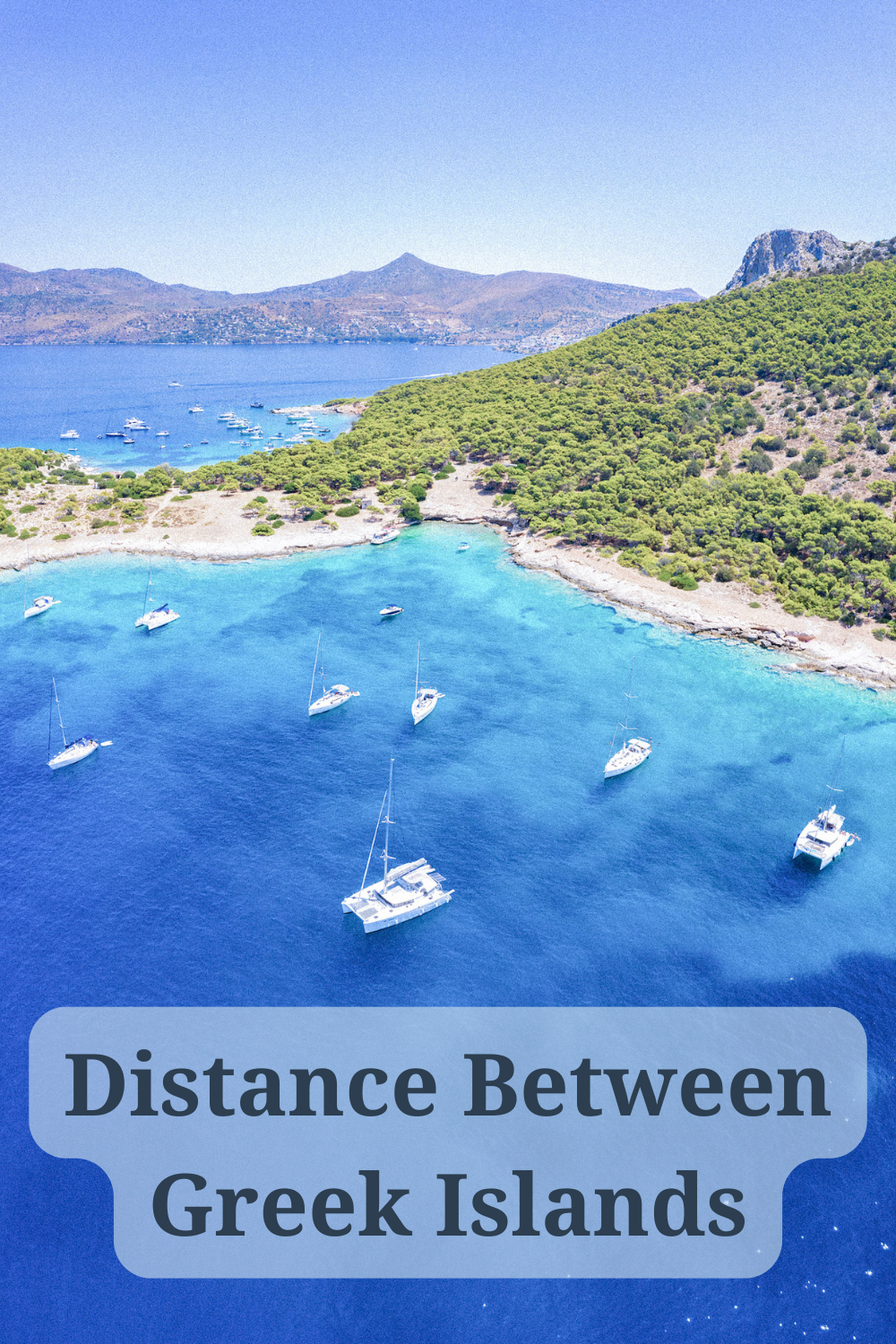

Distance Between Greek Islands: What You Need to Know Before Island Hopping

This post may contain affiliate links, that means if you use the links to purchase something I get a commission at no extra cost to you. Click here for more information about this.

There is a common misconception that the Greek islands are easy to hop between.

Looking at a map of Greece, the islands can appear much closer together than they actually are. Rough waters, indirect ferry routes, and slower ferries add to your travel time.

Some Greek islands are easy to reach and only require a short ferry ride from Athens or a neighboring island. Others can take several hours—or even close to ten hours by ferry, depending on the route.

This is where this guide comes in.

If you’re wondering how far apart the Greek islands are and what that actually means for your trip, I’m breaking down the main Greek island groups, how to get between Greek islands, and which islands make sense to combine into the same itinerary.

Because when planning an island-hopping Greece itinerary, travel time is usually much more important than the actual distance between the islands.

This post is all about the distance between Greek islands.

distance between greek islands

Distance Between Greek Islands

Greece Is Bigger Than Most People Think

It may look tiny on a map, but what you can’t see is that Greece has over 6,000 islands and islets, although only around 200 are inhabited.

The Greek islands are divided into several different island groups, including the Cyclades, Dodecanese, Ionian Islands, Sporades, Saronic Islands, and North Aegean Islands. Crete, the largest Greek island, is generally considered its own major island destination.

An even simpler way to think about Greece is to separate the Ionian Islands from the Aegean Islands.

The Ionian Islands are located on the western side of Greece in the Ionian Sea, while many of the islands people picture when they think of Greece are located on the eastern side of the country in the Aegean Sea.

Some islands are close neighbors, where you can practically see the next island from the shore. Others are hundreds of miles apart.

So while technically you can visit multiple Greek islands on the same trip, that doesn’t necessarily mean they are easy to travel between.

Greece Travel Guide

Grab your FREE
✨Ultimate Greece Travel Starter Guide!!!✨

🌍 Skip the overwhelm — I pulled together the must-knows so you don’t have to dig through a million sites.

Why Distance Doesn't Tell the Whole Story

Even if you know the distance between Greek islands in miles or kilometers, that doesn’t necessarily tell you much about how long it will take to travel between them.

Because of this, when planning your trip, I think it is much better to think in terms of travel time rather than distance.

Greek island ferry routes vary a lot, and there isn’t a direct ferry connecting every single island. Depending on where you are going, you may find a direct route, need to transfer to another ferry, or even need to return to Athens before continuing to your next destination.

There are also different types of ferries.

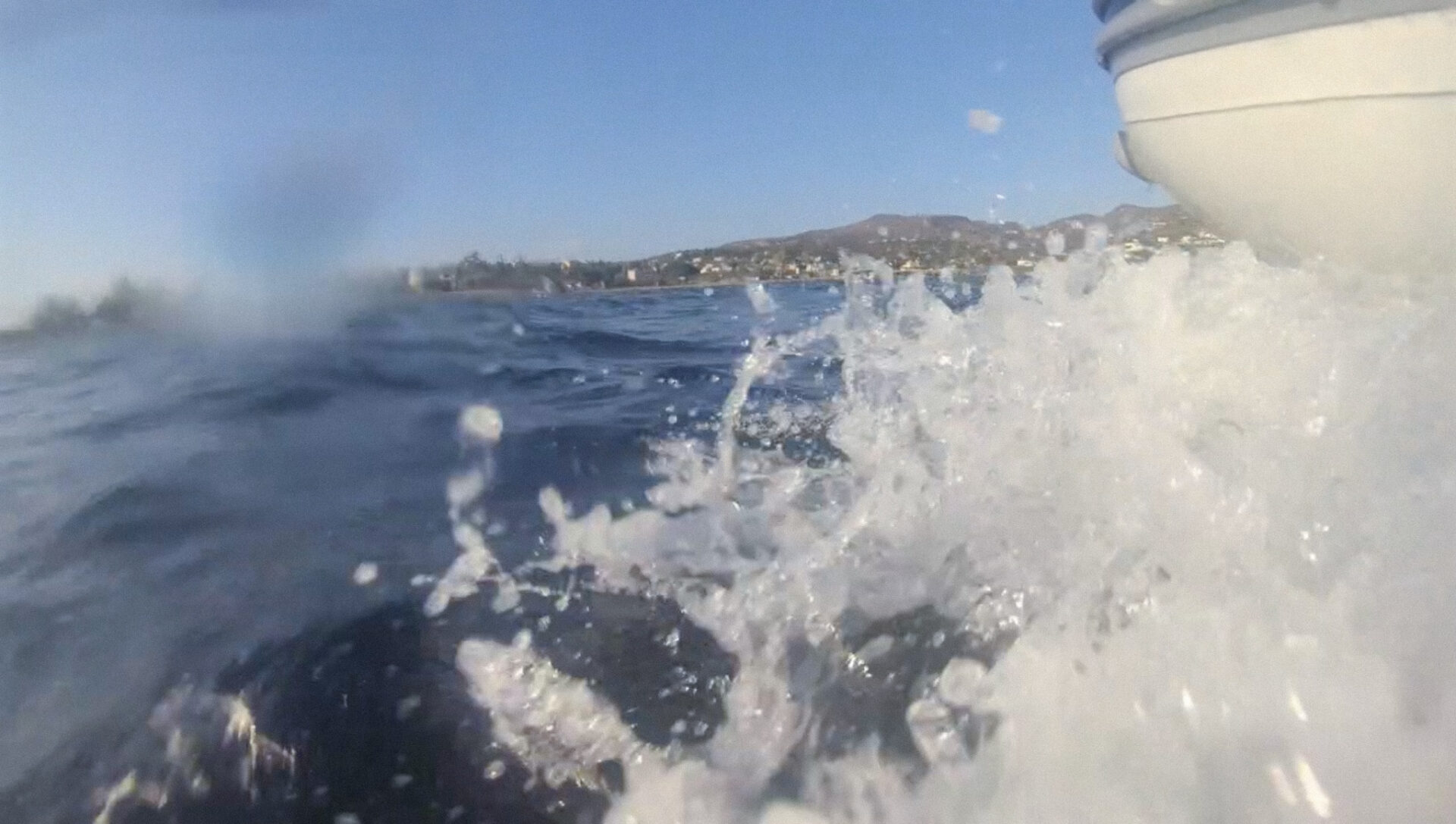
Some are smaller, passenger-only ferries that can travel very quickly. Some of them move so quickly that there isn’t even outdoor seating. I have been on one of these ferries from Piraeus to Hydra (an island that has banned all motor vehicles).

Other ferries are much larger and can carry cars, buses, and other vehicles. These tend to be slower, but depending on your trip, they might be the better option.

Weather and Seasonal Ferry Schedules Can Affect Travel Time

Weather can affect island hopping in Greece.

Strong winds, rough seas, and severe weather can delay or change ferry schedules. Even during the summer, storms can occasionally roll through and disrupt travel plans.

Seasonal schedules also make a big difference.

During the summer, there are usually more frequent ferry routes between popular islands. During the winter and quieter months, some routes become less frequent or may only operate seasonally.

This is especially important to remember when researching how to get between Greek islands. A ferry route you see operating in July may not necessarily be available at the same frequency—or at all—during another time of year.

There are also some islands that are relatively close in distance but still require multiple ferry connections to get between them. Other islands may only have convenient direct ferry connections from Athens, meaning you could potentially have to return to Piraeus before continuing to your next island.

The same goes for flying.

Some Greek islands have airports and others do not. Larger and more popular islands are more likely to have airports, while many smaller islands can only be reached by ferry.

In some cases, you might even need to combine a flight with a ferry ride to reach your final destination.

distance between greek islands

The Main Greek Island Groups

Saronic Islands

The Saronic Islands are some of the closest Greek islands to Athens and are a great option for people who don’t want to spend a ton of time traveling on ferries.

Some of the main islands include Aegina, Hydra, Poros, and Spetses.

Aegina is especially easy to reach from Athens, making it a great option for a day trip or for adding an island to the beginning or end of your Greece itinerary [read about one of my trips to Aegina here].

Hydra is another gorgeous option that I have only visited once so far, but I absolutely loved how unique it felt. Since motor vehicles are not allowed on the island, getting around looks a little different here.

The Saronic Islands are some of the best Greek islands to combine with a trip to Athens if you want an island experience without spending hours traveling across the country.

Cyclades

The Cyclades are probably what most people picture when they think of the Greek islands.

Think white houses, blue details, winding streets, and those photos that end up on approximately every Greece advertisement ever.

Popular Cycladic islands include Mykonos, Santorini, Naxos, Paros, and Milos, along with many others.

These islands are generally well connected by ferry, which makes the Cyclades one of the easiest areas for island hopping in Greece. That doesn’t mean they are all right next to Athens, though.

Depending on the island and the type of ferry you take, getting there from Athens can still take several hours—especially if you take one of the larger, slower ferries.

Some of the larger islands also have airports, including Santorini and Naxos.

Once you arrive in the Cyclades, though, the distances between many of the islands are much more manageable, making it easier to build a Greek island hopping itinerary around several destinations.

I definitely need to spend more time exploring these islands myself and see what all the hype is about.

Greece Travel Guide

Grab your FREE
✨Ultimate Greece Travel Starter Guide!!!✨

🌍 Skip the overwhelm — I pulled together the must-knows so you don’t have to dig through a million sites.
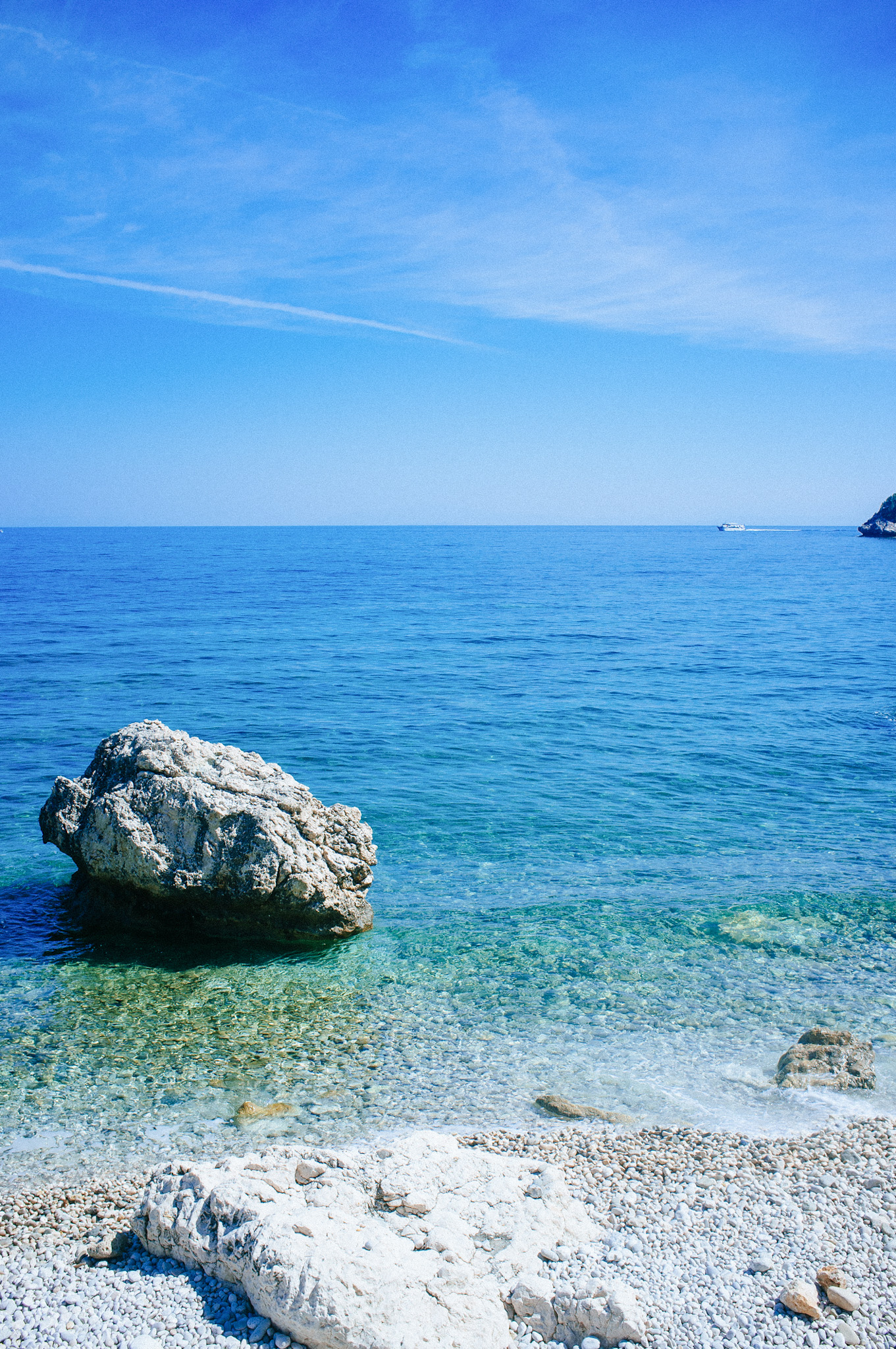
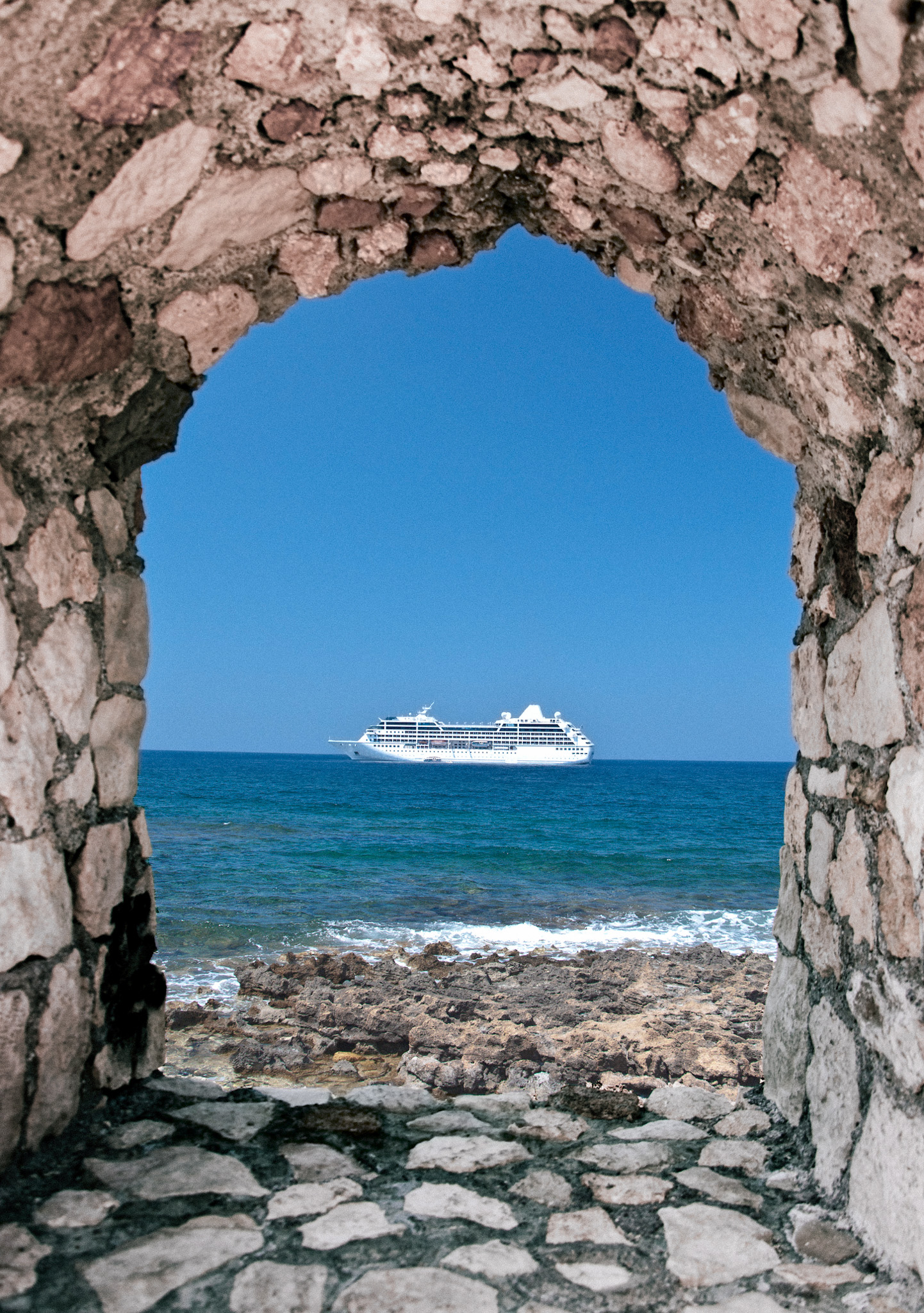
Ionian Islands

Some of the most underrated Greek islands, in my opinion, are the Ionian Islands.

The big thing to remember when planning a trip here is that they are located on the complete opposite side of Greece from Athens.

Depending on which island you are visiting, reaching the Ionian Islands may require a flight, a long drive across the country, or a combination of driving, bus travel, and a ferry.

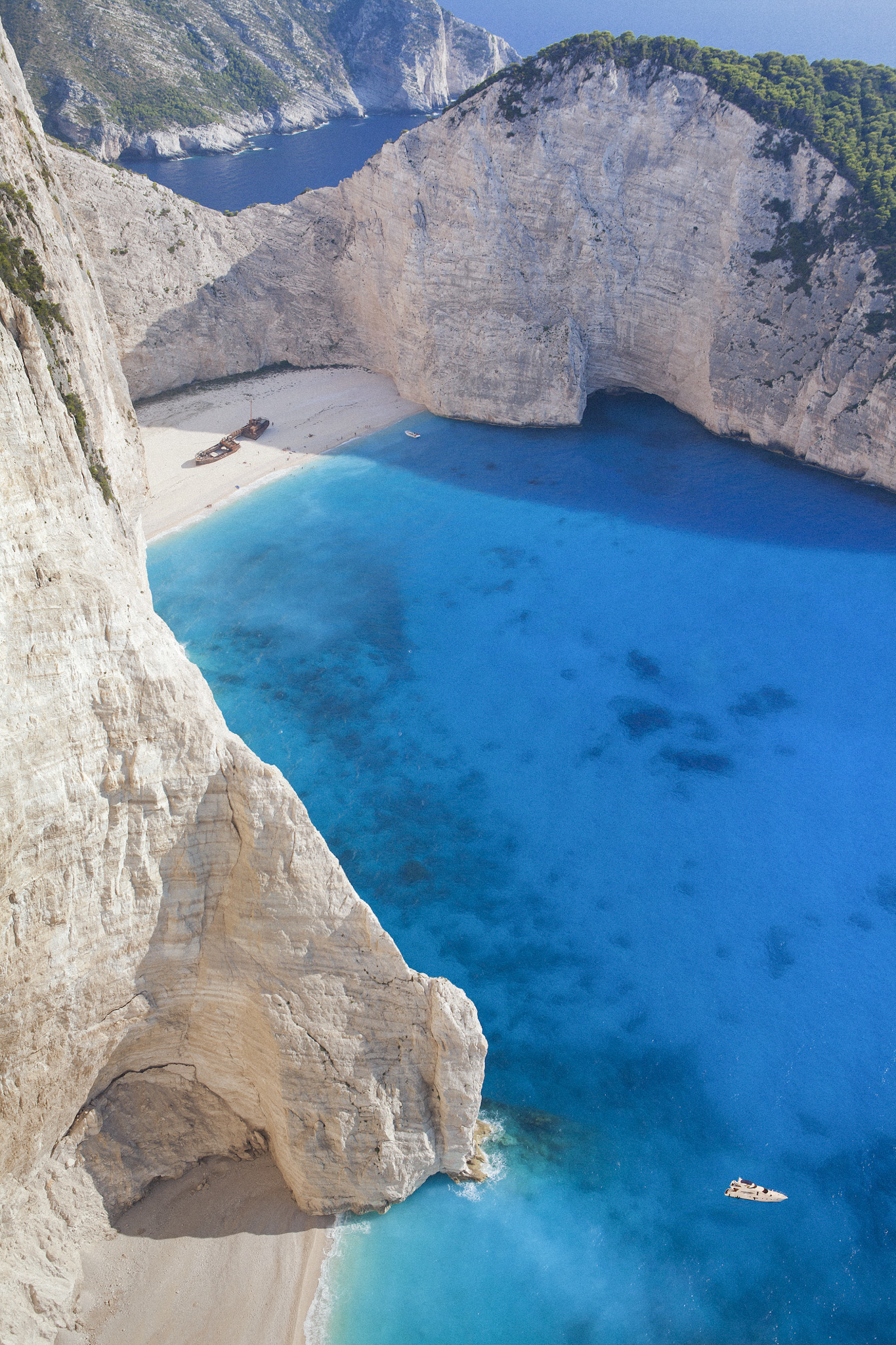
Popular Ionian Islands include Kefalonia, Zakynthos, Corfu, and Lefkada.

I have visited most of these islands many times, and once you are already on the western side of Greece, combining nearby Ionian Islands can be much easier.

The difficult part is usually getting there from Athens—not necessarily getting between the islands once you’re already in the region.

Dodecanese

The Dodecanese Islands are located in the southeastern Aegean Sea, much farther from Athens and closer to the coast of Turkey.

Popular islands in this group include Rhodes, Kos, and Symi.

I have never visited the Dodecanese myself, but I have Greek friends who have, and they have nothing but good things to say about them. They are definitely on my list for someday.

Because these islands are located so far from Athens and the more commonly visited Cycladic islands, they generally make more sense to combine with other nearby Dodecanese islands rather than trying to add them to a shorter trip that also includes places like Santorini or Mykonos.

distance between greek islands

North Aegean Islands

The North Aegean Islands are located farther north and east than the Cyclades and tend to receive fewer international visitors.

Some of the islands in this group include Chios, Lesvos, Samos, and Ikaria.

These islands can be a little more complicated to fit into a traditional Greek island hopping itinerary, especially if you are also hoping to visit Athens and the Cyclades on a shorter trip.

Sporades

The Sporades are a smaller group of islands located in the northwestern Aegean Sea, off the eastern coast of mainland Greece.

The main islands include Skiathos, Skopelos, and Alonissos.

Because they are grouped relatively close together, the Sporades can work well for travelers who want to visit multiple islands without constantly crossing the entire country.

Crete

Crete is the largest Greek island and honestly could be an entire trip on its own.

Unlike some of the smaller Greek islands where you can explore a large portion of the island in a few days, Crete is huge. Getting from one side of the island to the other can take hours, so even traveling within Crete requires some planning.

It is located south of mainland Greece and can be reached from Athens by ferry or plane. The ferry journey can take several hours, while flying is obviously the much quicker option.

Because of its size and location, I wouldn’t necessarily recommend trying to combine Crete with a bunch of other island groups on a shorter trip. You could easily spend one or two weeks exploring Crete alone.

That being said, there are ferry connections between Crete and some of the Cycladic islands, which can make it possible to include it in a larger island-hopping Greece itinerary.

I have visited Crete before, but I definitely have not seen nearly enough of it. It is one of those places that makes you realize just how impossible it is to “see all of Greece” in one trip.

distance between greek islands

Popular Greek Island Combinations

Athens + Aegina or Hydra

Both Aegina and Hydra are among the easiest islands to combine with Athens.

Aegina can be reached in under an hour on some ferries, while Hydra takes a bit longer but is still a straightforward direct ferry trip from Piraeus.

If you are looking for the closest Greek islands to Athens, these are two great places to start.

Athens + Cyclades Islands

Mykonos + Paros + Naxos is one example of a popular combination.

The initial trip from Athens can take a few hours, depending on where you are going and which ferry you choose, but once you are in the Cyclades, island hopping between neighboring islands is generally much easier.

This is why choosing islands from the same group can make such a difference when planning a Greece island hopping itinerary.

Kefalonia + Zakynthos

I have done this combination myself, and it is super easy once you are already in the Ionian Islands.

You can even stay on one island and just take a day boat tour that allows you to see the highlightshts of the other.

Getting to the west coast of Greece can be a somewhat longer journey, especially if you are not flying there, but once you’re in the area, combining Kefalonia and Zakynthos makes a lot of sense.

Corfu + Paxos

Both islands are located in the northwestern part of Greece and are relatively close together, making them easier to combine.

Reaching Corfu from Athens can require either a flight or a much longer journey involving driving or bus travel and a ferry, depending on how you choose to travel.

I have only been to Kerkyra—the Greek name for Corfu—but Paxos is definitely on my bucket list.

Greek Island Combinations That Look Easy but Usually Aren't

This is where looking at a map can be a little misleading.

An island combination might look completely reasonable based on distance, but once you start researching Greek island ferry routes, you realize there isn’t actually a direct way to get between them.

In general, changing between island groups can make your trip much more complicated and sometimes requires returning to Athens or combining multiple forms of transportation.

For example, combining Santorini and Corfu, Mykonos and Kefalonia, or Rhodes and Zakynthos might sound like a fun way to see different parts of Greece.

And it definitely could be done.

But on a shorter trip, you may end up spending a much larger portion of your vacation in airports, ferry ports, cars, buses, or on ferries than you originally planned.

Sometimes the Greek islands that are easiest to combine aren’t necessarily the most famous ones—they are simply the ones that have practical transportation routes between them.

Greece Travel Guide

Grab your FREE
✨Ultimate Greece Travel Starter Guide!!!✨

🌍 Skip the overwhelm — I pulled together the must-knows so you don’t have to dig through a million sites.

My Advice When Planning a Greece Trip

When planning your Greece trip, I would keep these things in mind:

  • Think in travel time, not miles. Research actual ferry availability and schedules instead of just looking at the distance between Greek islands on a map.
  • Stick to one island group when possible. Visiting more than one is absolutely possible, but it can require significantly more travel time.
  • Allow buffer days around international flights in case of ferry delays, weather, or other travel complications.
  • Book ferries early when traveling during the busy summer season, especially if you have a specific route or departure time you need.
  • Don’t underestimate a ferry day. Even if the actual ferry ride is only a few hours, getting to the port, waiting to board, checking into your next hotel, and getting settled can take up a much larger part of the day than you expect.

Honestly, I would rather have an extra day at the beach, exploring a new town, swimming in the ocean, or sitting through one more long Greek dinner than spend that entire day checking another island off my Greece destinations bucket list.

distance between greek islands

Final Thoughts

The actual distance between Greek islands is almost irrelevant when planning an island hopping itinerary.

Instead of focusing on how many miles separate two islands, focus on how easy they are to travel between based on available routes and how much time that journey will actually take.

When possible, keep your itinerary within the same island group or choose destinations with convenient transportation routes between them.

Once you understand how the Greek island groups are laid out and which islands are realistically connected, filling in the rest of your itinerary becomes much easier.

And, more importantly, you’ll spend more of your Greece trip actually enjoying Greece—and less of it sitting in transit trying to get to the next island.

Leave a Reply

Your email address will not be published. Required fields are marked *

Marina Catherine

I first came to Greece as a baby, and I’ve been in love with it ever since. Now a Greek citizen, I’ve lived here several times, speak the language, and embrace the culture—from the food to traditional dance. Through this blog, I share the beauty, stories, and everyday life of my favorite place on earth.