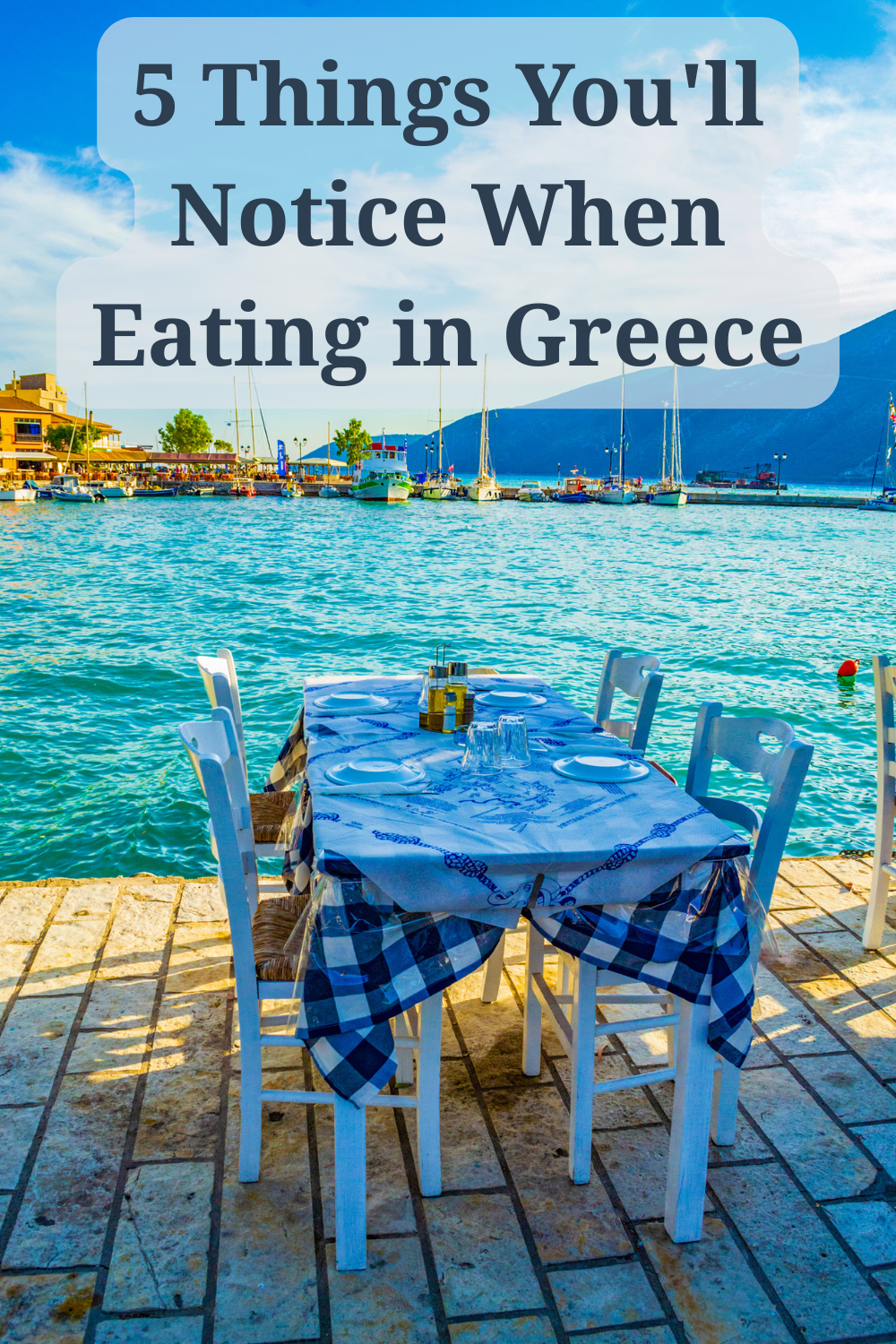

5 Things You'll Notice When Eating in Greece
This post may contain affiliate links, that means if you use the links to purchase something I get a commission at no extra cost to you. Click here for more information about this.
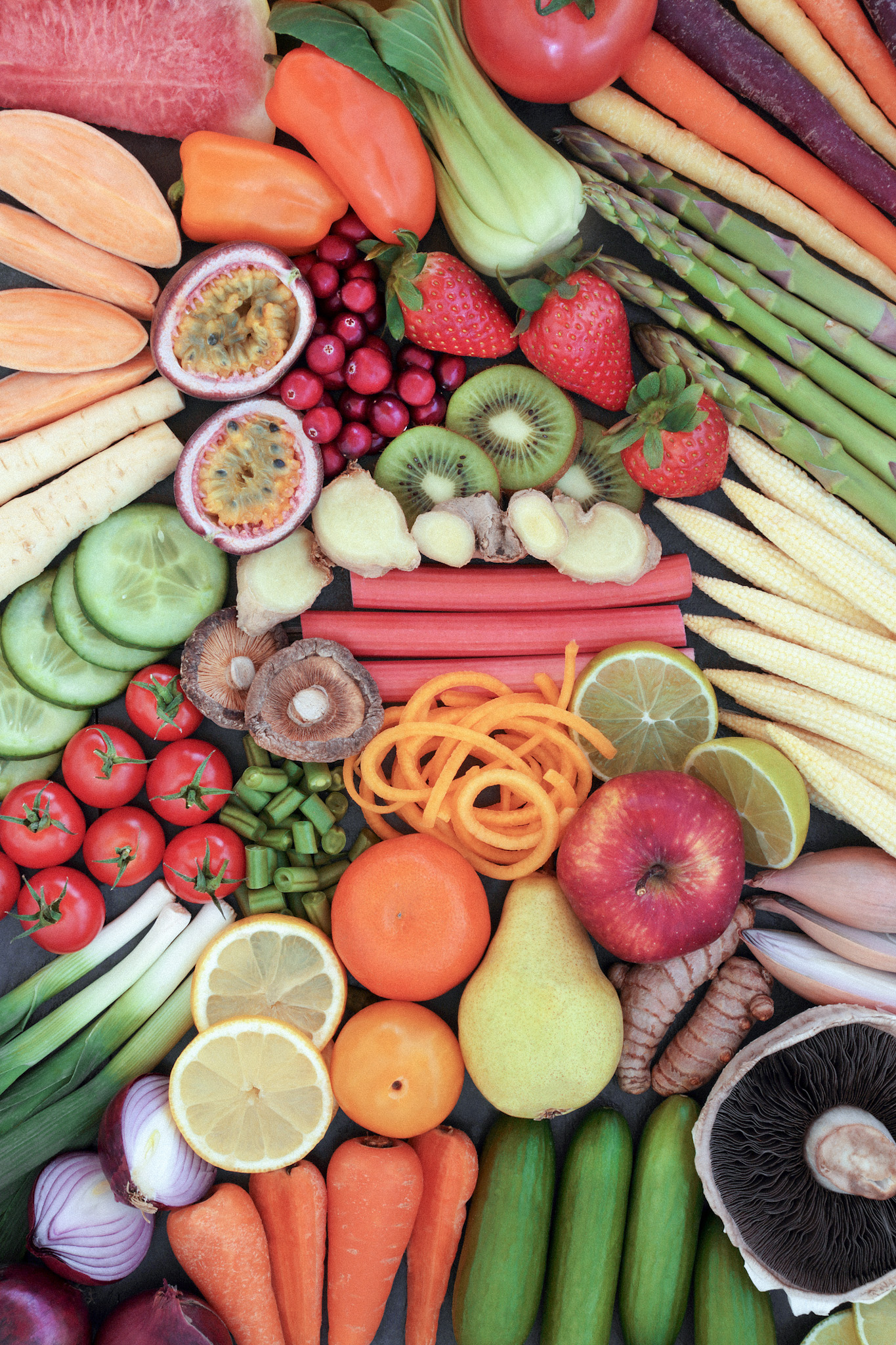
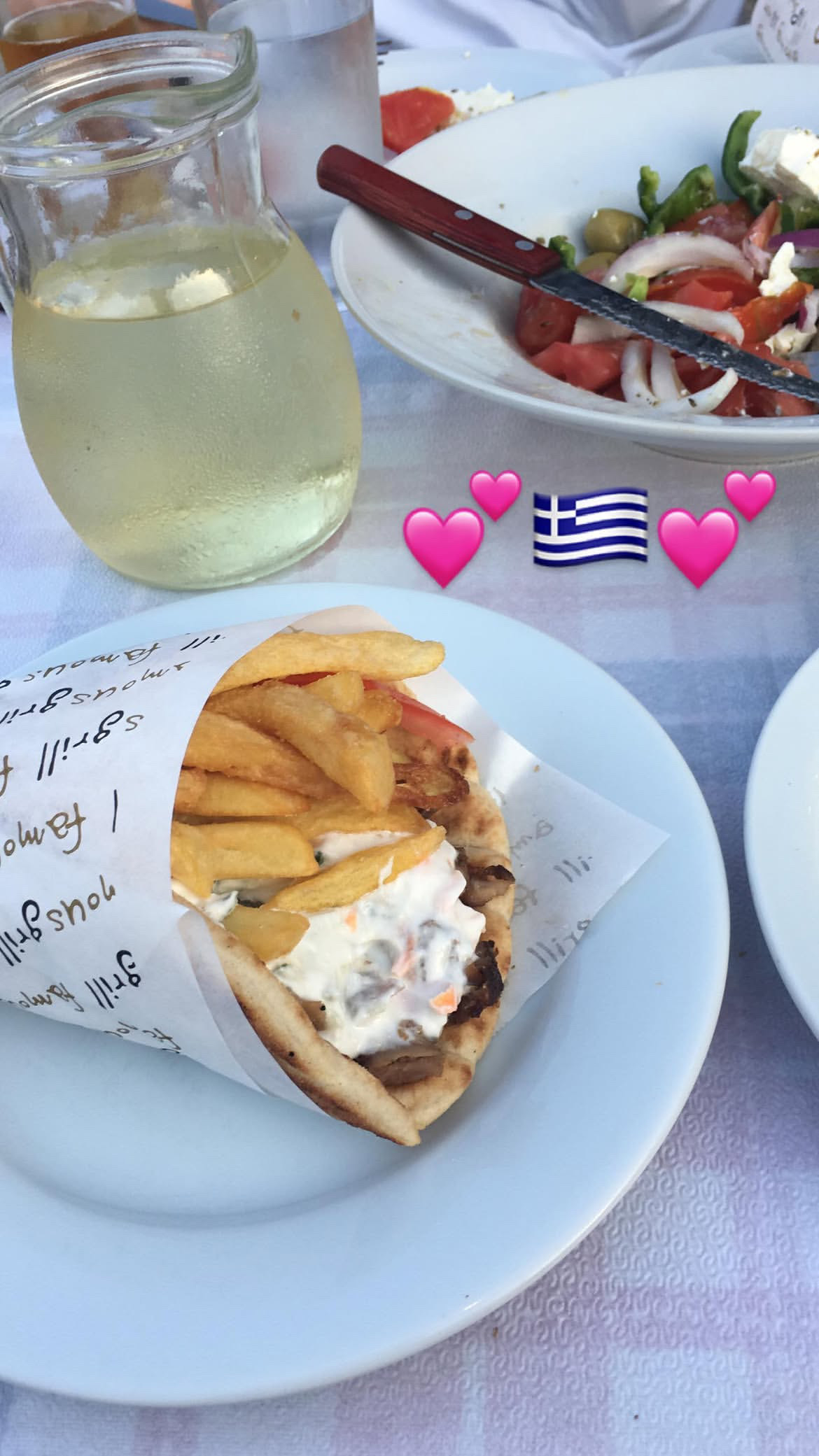
Most people planning a trip to Greece do at least a little research on the foods and drinks they should try. Greek salad, souvlaki, moussaka, feta, freddo espresso… the list can get pretty long.
But that is only half of the picture.
Once you actually sit down at a table in Greece, you might notice that the culture surrounding eating and drinking is a little different from what you’re used to. From late dinners to shared plates and unexpectedly being told to take your time, there are plenty of details that don’t always make it into a typical guide to Greek food.
Here are five things you might notice when eating in Greece.
1. You Might Be Eating Dinner Later Than You're Used To
If you’re used to eating dinner at 5:00, 6:00, or 7:00 p.m., you might find yourself a little ahead of the crowd in Greece.
Lunch has traditionally been the biggest meal of the day, so people aren’t always anxious to eat another big meal early in the evening. Restaurants can start getting much busier later at night, often around 9:00 p.m. or even later.
I have been out with family members who prefer to eat on the earlier side, and we have occasionally been the only people sitting in a restaurant at 8:00 p.m. Come back an hour or two later, and it can be a completely different scene.
Of course, these aren’t fixed rules. Meal times can vary depending on the region, the season, and the preferences of individual families and friend groups.
During the summer especially, the heat can naturally push everything later. People might spend the afternoon at the beach, rest during the hottest part of the day, and head out once things start to cool down.
So if you walk into a restaurant at 7:00 p.m. and wonder why it seems strangely quiet, don’t worry. It’s not because no one likes that restaurant. Give it a few hours.
2. Everyone Might Order for the Table
One of my favorite things about eating in Greece is that you don’t always have to narrow your options down to just one dish.
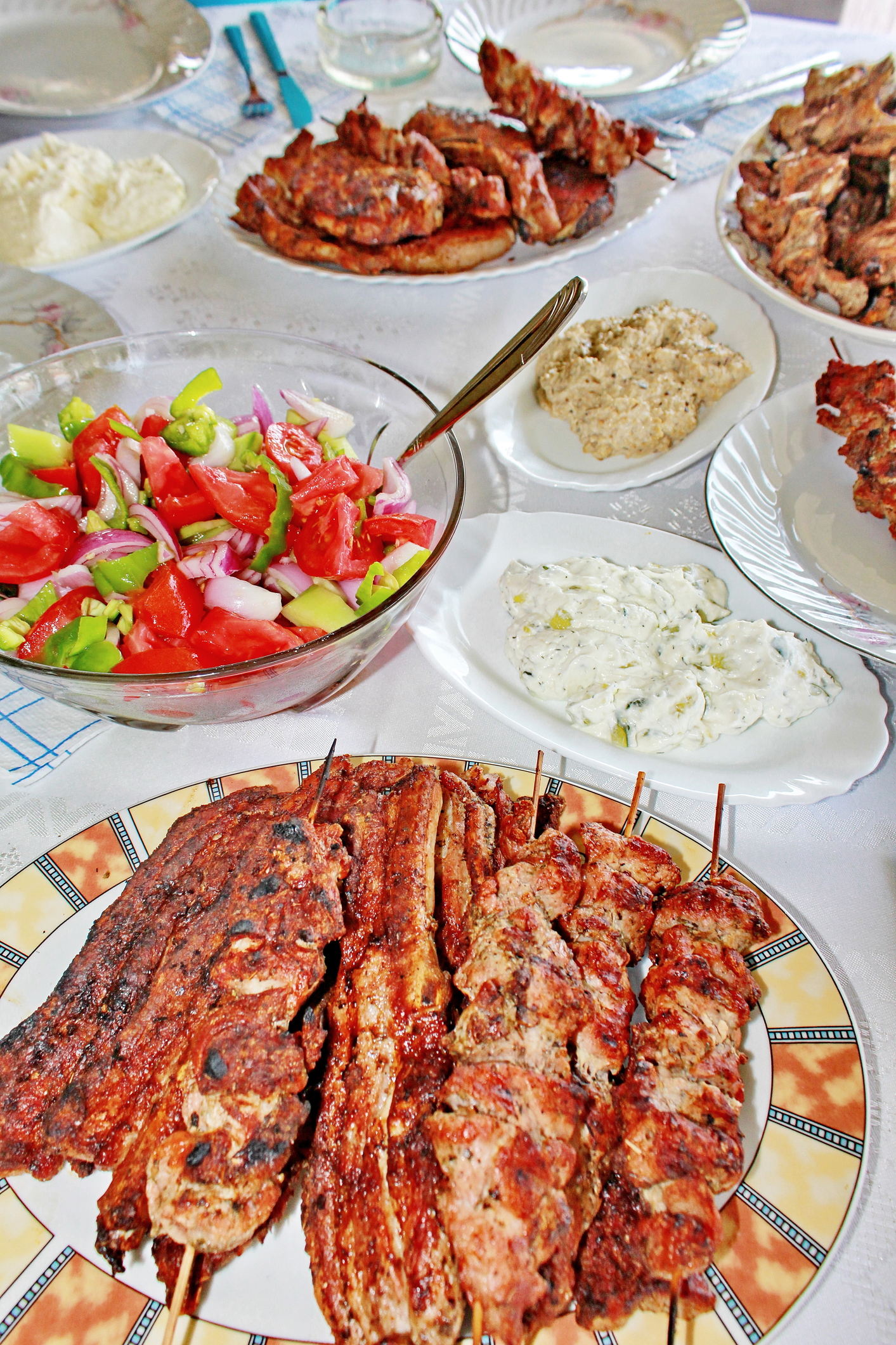
Instead of everyone ordering a main course exclusively for themselves, it is common to order several dishes for the table and share. You might start with a few different appetizers, nurse your drinks for a while, and then order a variety of main dishes for everyone to try.
Personally, I love this method because I am terrible at choosing just one thing when several things on the menu sound good.
Why limit yourself?
The question isn’t always, What should I order to eat?
It’s more like, How many dishes can we physically fit on this table?
Sharing dishes also gives you the chance to try more of the menu, especially if you’re eating with a larger group.
Maybe someone orders the grilled fish, someone else wants souvlaki, and someone spots another dish they haven’t tried before. Suddenly, everyone gets a little bit of everything.
It can make the meal feel less like everyone is having their own separate dining experience and more like you’re all eating together.
Grab your FREE
✨Ultimate Greece Travel Starter Guide!!!✨
Skip the overwhelm — I pulled together the must-knows so you don’t have to dig through a million sites.
3. Water Isn't Always Handled the Way You Expect
If you’re visiting Greece from somewhere like the United States or Canada, water at a restaurant might work a little differently from what you’re used to.
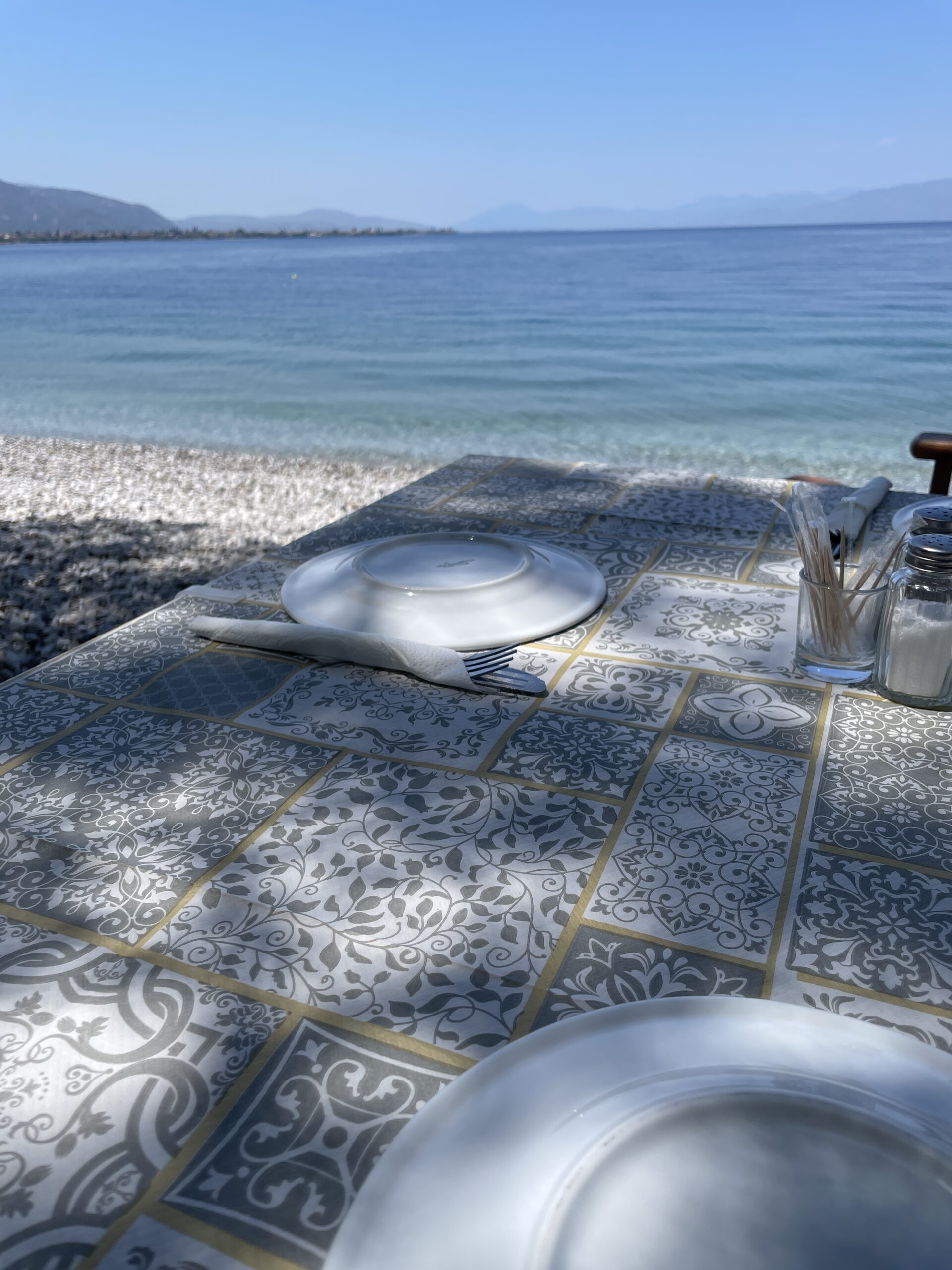
Water isn’t automatically brought to the table in Greece, and it isn’t necessarily free. Usually, you’ll need to order it. You may be asked whether you want still or sparkling water, and bottles commonly come in different sizes, such as around half a liter for a small bottle or one to 1.5 liters for the table.
But don’t worry too much about the price.
One of the perks of traveling around Greece is that bottled water is generally pretty affordable. You’re not necessarily looking at the kind of prices that make you stare at a tiny bottle of water and wonder if it somehow contains liquid gold.
I’ll never forget taking one of my Greek friends across the Atlantic for the first time. We had a layover in Paris, and she wanted to buy a bottle of water. She came back with the little bottle and exclaimed that it had cost her around $4.
I laughed because, from my perspective, that honestly wasn’t too bad compared to some of the absolutely wild water prices I’ve seen in North America.
So yes, you’ll probably have to order your water. But thankfully, buying a bottle of it in Greece usually won’t feel like a major financial decision.
4. Nobody Is in a Huge Rush to Leave
And the check probably won’t appear until you ask for it.
Table turnover isn’t really the same kind of thing in Greece as it can be elsewhere. You don’t have to sit around for hours after you finish eating, but taking your time is very much part of the experience.
People go out to eat to eat, of course. But they are also there to talk, drink, catch up, and spend time together.
The check doesn’t automatically arrive the second you’ve finished your last bite because nobody is necessarily expecting you to immediately get up and leave.
You might finish your meal and continue talking for another hour. You might order another drink. You might just sit there and enjoy the atmosphere.
When you’re ready to leave, flag down your waiter and ask for the bill.
Sometimes the receipt may be left on the table before you’re ready to go, but don’t take that as a signal that you need to immediately pay and leave. It is just a way to keep track of your tab. You can still take your time.
Enjoy the conversation. Order another drink if you want to. Sit there a little longer.
And when you’re actually ready to be done, let your waiter know you’re ready to pay.
5. You Might Get Something on the House
This is definitely not something you should expect or demand, and it can vary from place to place.
But every once in a while, you might finish your meal and be surprised with something complimentary.
It could be little shots of a dessert wine or liqueur, a plate of fruit for the table to share, or small slices of cake for everyone. And somehow, even after announcing that you couldn’t possibly eat another bite, you will probably find room for the complimentary dessert.
I never expect it, which means I’m always delightfully surprised when it happens.
To me, it’s one of those gestures that makes eating in Greece feel especially warm. It’s a little thank-you for dining at the restaurant and, in many cases, just a final gesture of hospitality before you leave.
And honestly, saying goodbye with unexpected cake is a pretty good way to end a meal.
Grab your FREE
✨Ultimate Greece Travel Starter Guide!!!✨
Skip the overwhelm — I pulled together the must-knows so you don’t have to dig through a million sites.
These Things Are Part of the Experience
You can research every Greek dish before your trip and still be surprised by the experience of actually sitting down at the table.
The late dinners, shared plates, long conversations, affordable bottles of water, and occasional unexpected dessert are all part of experiencing Greece too.
Don’t worry too much about doing the right or wrong thing. Follow the social cues of your waiter and the people around you. And hopefully, you learned a few things from this post before sitting down for your first meal.
The easiest way to experience Greek food culture is to simply sit down, order something that sounds good, and give yourself enough time to enjoy it.
Because in Greece, the meal might be what brings everyone to the table, but it is rarely the only reason anyone stays there.
Have you ever had a meal in Greece?
Let me know↓🥰